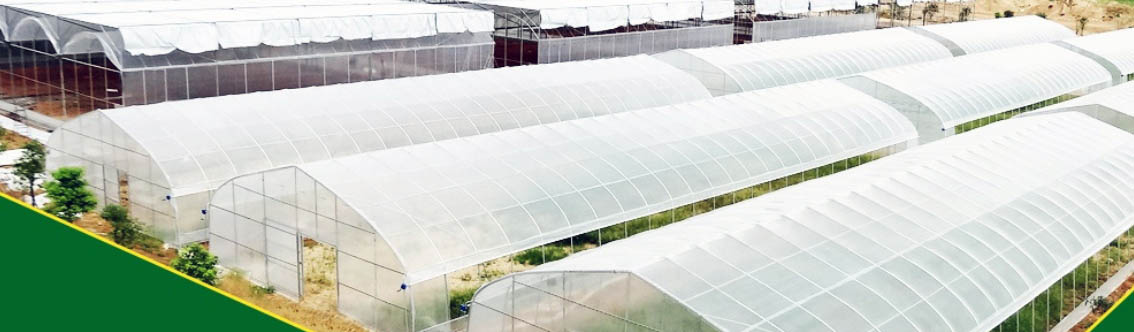


- Commercial Greenhouse
- Film Greenhouse
- PC Greenhouse
- Glass Greenhouse
- Tunnel Greenhouse
- Scientific Research Greenhouse
- Vegetable Greenhouse
- Flower Greenhouse
- Multi-span Greenhouse
- Sawtooth Greenhouse
- Greenhouse Equipments
- Greenhouse Accessories
- Hot Dip Galvanized Pipe
- Irrigation System
- Hydroponics System
- Planting Tools
- Planting technology
Tel: +86 191 5068 3942
Fax:
Mobile: +86 191 5068 3942
Contact: Alina
E-mail: sales@cngreenhouses.com
SKYPE:


Translational Nursery Bed: One Aisle Serves More Beds
A translational nursery bed slides sideways so one working aisle serves row after row: bed and aisle widths, frame and corrosion, and the mesh deck.
.
TEL:+86 191 5068 3942
- Features


A translational nursery bed answers the floor problem, not the height problem. The bed is carried on rollers and travels sideways across the bay: worked one row at a time, the beds bunch together and open a single working aisle where a fixed layout keeps one beside every row. Driven this way, the beds give back to the crop the floor that internal passages used to take, and that is what raises the effective utilisation rate of the greenhouse. Stacking the crop instead of moving it is the answer given by the multi-layer rolling bench; what follows stays on the horizontal move.

Translational Means Sideways
The word describes the movement, not the crop. These beds do not roll along their own length like a trolley down a shed; the whole bed box moves across the house, at right angles to the bed, on rollers that run on short cross rails laid in the floor or carried on the frames. The travel is about one bed width: the bed is slid across to reach the next one, the gap it opens is worked from, and the bed is pushed back so the gap closes behind it.
Two things follow. The house is worked from one side of the bay rather than from an aisle beside every row, which is where the floor is saved; and the bed has to move easily and stop reliably, because a bed that fights the operator or drifts when standing will not be moved often enough to be worth having. The rollers and the rail do the work rather than the grower, which is why the frame is built to be easy to operate, easy to move, and smooth and reliable in service.

One Aisle Serving Row After Row
Growing area and passage area together make up the floor, so every square metre of concrete given to an aisle is a square metre taken from the crop. On fixed benching the same aisle is repeated beside each row, and a layout of bed, aisle, bed, aisle spends a large share of the house on nothing the plant uses.
With beds that travel sideways those passages collapse into one. The beds stand in a block, the bed at the end of the block is slid across, and when the row has been worked it is pushed back so the aisle closes again. The saving is greatest where the aisles are worked on foot or with a light trolley and the crop is low enough to reach across; where a machine has to drive down the house, or where the passage also carries pipes and drainage, it cannot be squeezed as far, and one usable aisle is still better than several narrow ones.
Bed Width, Aisle Width and the Space Between Them
The aisle is set first, because it has to fit the work done in it: a person carrying trays, a hand trolley or a small machine. Two-way traffic is wanted only where two people will really meet. The bed width then follows from the house, since the internal span has to divide into a whole number of beds plus that one aisle, so the beds are sized to make the division come out cleanly rather than to a round figure that leaves a strip of waste at the wall.
The bed is also sized to what goes on it: standard propagation trays and pots set the pitch of the mesh deck, and the bed takes a whole number of them across its width and along its length, with a little free travel left at the gable ends so it can be slid across. Because the equipment's value lies in how it divides one particular floor, the size specification is made to the venue and to the user's requirements rather than fixed in advance: send the internal span and length, the tray or pot size and the way the house will be worked, and the bed width, the number of beds across the span and the aisle width come out of those figures together.
Frame, Bed Surface and a Wet House
The frame is made in aluminium alloy or from steel angle. Steel angle is stiff and inexpensive and suits long beds carrying a heavy load of wet media; aluminium alloy is light and does not rust, which matters when the bed is pushed by hand many times a day and never dries out. Either way it is built as a production item, because it carries trays, growing media at field capacity and the crop standing in them.
The deck over the frame is a mesh or tray surface: it holds the trays square, lets surplus water fall through instead of ponding round the roots, and the water is collected beneath the bed and returned to the tank. That is what lets these beds sit under the booms and drip lines of a normal greenhouse irrigation system. Because the house is wet all season, steel members are protected by hot dip galvanizing specified for the site: the corrosion category, from class C2 in a dry inland house to class C5 at the coast or under heavy fertigation, is defined in ISO 9223, and the coating system itself in BS EN ISO 14713-1. The members of the range are on the hot dip galvanized pipe and section page. After that, maintenance is a short list: keep the rail and the floor under the rollers clear, wash the deck at the end of a crop, and check that the beds still run straight and stop where they should.
Sliding Beds and Multi-Layer Benches in One House
The two products answer different shortages. A sliding bed attacks the waste of floor: it does not grow more per bed, it takes the aisles out of the bed area. A multi-layer bench attacks the waste of volume: the same footprint two or three times over, at the cost of light at the lower decks and more handling. A house short of floor space, with a low crop that needs light and air, gains more from moving beds; a house short of volume, raising small seedlings for a short spell, gains more from stacking. What settles the mix is the height of the plant when it leaves, the light the lowest deck receives and how often the trays must be handled.
To have beds laid out, send the internal span and length, the tray or pot size, the crop and how long it stands, how the house will be worked and whether the floor is already laid; that is enough to get a bed width, a bed count and an aisle width back. Our factory has built greenhouses and their equipment for above 35 years; these beds sit in the greenhouse accessories range with the rest of the greenhouse equipment. Call +86 191 5068 3942 or write to sales@cngreenhouses.com.
Independent references help when a layout is being planned: the USDA publishes material on protected cultivation and nursery practice, and HortiDaily reports daily news from the international greenhouse industry.
Frequently Asked Questions
Q: What does translational mean on a nursery bed?
It moves sideways across the house rather than along its own length: the whole bed box travels on rollers over short cross rails, so the beds can be bunched together and one working aisle opened.
It moves sideways across the house rather than along its own length: the whole bed box travels on rollers over short cross rails, so the beds can be bunched together and one working aisle opened.
Q: How much floor does one aisle actually save?
As much as the number of passages it replaces. Growing area and passage area together make the floor, so where fixed beds needed an aisle beside each row, the same beds on sliding frames are served by one aisle, and the concrete no longer needed becomes bed area.
As much as the number of passages it replaces. Growing area and passage area together make the floor, so where fixed beds needed an aisle beside each row, the same beds on sliding frames are served by one aisle, and the concrete no longer needed becomes bed area.
Q: How are bed width and aisle width decided?
The aisle is set by the work done in it, and the bed width then follows from the house, since the internal span has to divide into a whole number of beds plus that one aisle. Both are worked out from your building, not chosen from a table.
The aisle is set by the work done in it, and the bed width then follows from the house, since the internal span has to divide into a whole number of beds plus that one aisle. Both are worked out from your building, not chosen from a table.
Q: Do sliding beds replace multi-layer benches?
No. A sliding bed recovers the floor lost to aisles while keeping the crop on one level, and a multi-layer bench adds a second or third level above the same footprint. Which suits you depends on crop height and how often the plants must be handled.
No. A sliding bed recovers the floor lost to aisles while keeping the crop on one level, and a multi-layer bench adds a second or third level above the same footprint. Which suits you depends on crop height and how often the plants must be handled.
Q: Can these beds be fitted into a greenhouse we already have?
Yes, once the span, the run length and the way the house is worked are measured, since the design rests on dividing that particular floor. The rails can be laid on a sound floor or carried on the bed frames.
Yes, once the span, the run length and the way the house is worked are measured, since the design rests on dividing that particular floor. The rails can be laid on a sound floor or carried on the bed frames.
Q: How much maintenance do the moving parts need?
Little, but not nothing: keep the rail and the floor under the rollers clear, wash the deck between crops, and check that the beds still travel straight and stop where they should.
Little, but not nothing: keep the rail and the floor under the rollers clear, wash the deck between crops, and check that the beds still travel straight and stop where they should.
Note: If you're interested in the product, please submit your requirements and contacts and then we will contact you in two days. We promise that all your informations won't be leaked to anyone.
 Deutsch
 Español
 Français
 Italiano
 Português
 日本の
 한국어
 العربية
 български
 hrvatski
 česky
 Dansk
 Nederlands
 suomi
 Ελληνικά
 हिन्दी
 norsk
 Polski
 Română
 русский
 Svenska