
- Commercial Greenhouse
- Film Greenhouse
- PC Greenhouse
- Glass Greenhouse
- Tunnel Greenhouse
- Scientific Research Greenhouse
- Vegetable Greenhouse
- Flower Greenhouse
- Multi-span Greenhouse
- Sawtooth Greenhouse
- Greenhouse Equipments
- Greenhouse Accessories
- Hot Dip Galvanized Pipe
- Irrigation System
- Hydroponics System
- Planting Tools
- Planting technology
Tel: +86 191 5068 3942
Fax:
Mobile: +86 191 5068 3942
Contact: Alina
E-mail: sales@cngreenhouses.com
SKYPE:


Poly Tunnels for Sale - Choosing the Right Span and Length
Buying a poly tunnel: how to choose the span, length and height, what the cover and anchoring cost, and what to check before ordering.
.
TEL:+86 191 5068 3942
- Features


Start With the Crop, Not the Size:
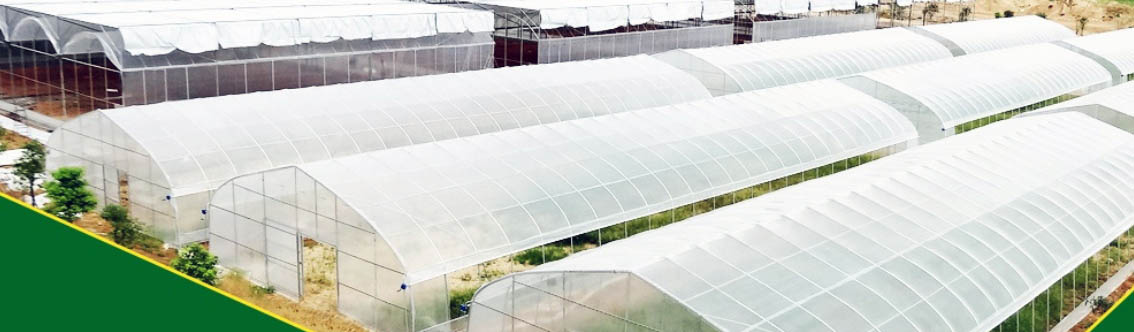
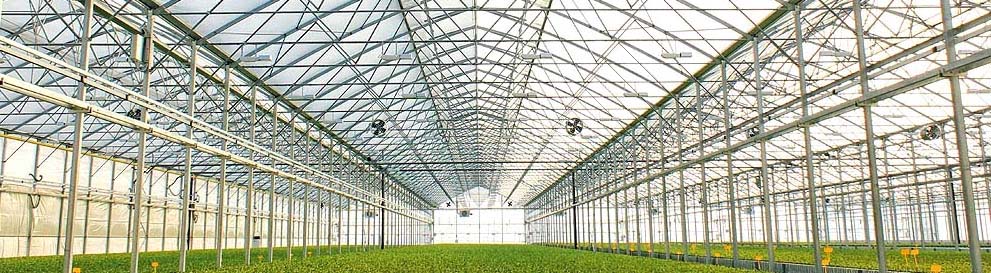
The question that goes wrong most often when buying a poly tunnel is the first one: how wide should it be. The answer starts with the crop and the machinery, not with what is on a price list. A tunnel used for raising young plants on the floor, like the one in the second photo above, needs enough width for trays and a working path; a tunnel for a tomato or strawberry crop needs room for the rows and the equipment that goes with them; a tunnel used for a field crop on a spread-out site needs a length that matches how you will work the ground. Fix the crop, the row layout and how you will get in and out, and the span and length follow. Choosing the size first and fitting the crop into it is what leads to a tunnel that is either cramped or half empty.Choosing the Span and Height:
Span sets how much ground you cover per hoop, and height sets whether you can work standing up and how much air volume you have over the crop. A taller tunnel is easier to ventilate and holds a steadier temperature through the day, and it lets you use the space above the crop; a lower tunnel is cheaper per square metre but leaves no room for a crop that grows tall or for equipment. The practical check is to take the height of your finished crop, add the height of whatever it stands on, and then add what you need above it for airflow - if the answer is close to the tunnel height, go up one size. On span, remember that the wider the tunnel, the more the wind load and the cover cost rise; if you are extending a run, more length is usually the cheaper way to add area than more width.Choosing the Length and the Doors:
Length is the cheapest dimension to add, because the hoops, purlins, channels and film all scale linearly, and a run can be built in bays. Two things decide how far you should go: how you will move materials along the tunnel, and where the doors go. A tunnel of any length needs a door at the end you work from, and a long run usually benefits from a second door at the far end so you can pass air through rather than cooking the far half. Roll-up sides work along the whole run, so length also decides how much ventilation you can open at once. If you plan to extend later, order the film width and the anchoring for the length you intend to end up with rather than for the first stage - that way the extension does not mean re-covering what you have already built.What the Price Includes - and What It Does Not:
Our tunnel price covers the galvanised frame, the purlins and bracing, the anchoring plates, the channels and wire, the roll-up side kits and the film cut to suit. It does not cover the ground preparation, the anchors or concrete, or the labour to erect the tunnel - those sit in your own budget, and leaving them out is the most common reason a tunnel project runs over. When you compare offers, compare the same things: hoop spacing and pipe size, film thickness and UV grade, whether the roll-up sides and the channels are included, and whether the anchoring is quoted. Two tunnels of the same footprint can differ substantially in steel and in film grade, and those are the parts that decide how the tunnel behaves in wind and how long the cover lasts.A Short Checklist Before You Order:
Write down the crop and how it is grown; the working path and how you will get materials in; the site wind speed and what the ground is like; whether you want roll-up sides, doors at one or both ends, and greenhouse irrigation; and the length you intend to end up with, not just the length you are starting with. Send that list with your enquiry and the quotation you get back will be comparable with the next one. Normal shipping time is 4 to 6 weeks after receipt of order, plus transit from the factory; 30% of the basic greenhouse price is charged on receipt of order and the balance before shipment. Look through the tunnel greenhouse models and the film greenhouse range they belong to, compare a tunnel against a PC sheet greenhouse if the crop wants a permanent building, read more about our greenhouse factory, call +86 191 5068 3942 or send an E-mail to sales@cngreenhouses.com.Frequently Asked Questions:
Q: How wide should my poly tunnel be?
A: It follows from the row layout and the working path, not from a price list. Work out the rows the crop needs plus the path you will move materials along, and the span comes out of that. Choosing the width first and fitting the crop into it leads to a tunnel that is cramped or half empty.
Q: Is it better to go wider or longer?
A: Longer, in most cases. Length scales linearly in hoops, purlins, channels and film, while extra width raises the wind load and the cover cost. If you need more area, extending the run is usually the cheaper route.
Q: How tall does a tunnel need to be?
A: Take the height of the finished crop, add what it stands on, and add what you need above it for airflow. If that is close to the tunnel height, go up one size. A taller tunnel is easier to ventilate and holds a steadier temperature.
Q: Do I need a door at both ends?
A: One door at the end you work from is the minimum. On a long run a second door lets air pass through the tunnel instead of the far half overheating, and it is cheaper to include it now than to add it later.
Q: What is not included in the tunnel price?
A: Ground preparation, the anchors or concrete, and the labour to erect the tunnel. Our price covers the frame, bracing, anchoring plates, channels and wire, roll-up side kits and the film cut to suit. Leaving the ground works out of the budget is the most common reason a project runs over.
Q: What should I send with an enquiry?
A: The crop and how it is grown, the working path, your site wind speed and ground conditions, whether you want roll-up sides, doors at one or both ends and irrigation, and the length you intend to end up with. Then the quotations you receive are comparable.
Note: If you're interested in the product, please submit your requirements and contacts and then we will contact you in two days. We promise that all your informations won't be leaked to anyone.
 Deutsch
 Español
 Français
 Italiano
 Português
 日本の
 한국어
 العربية
 български
 hrvatski
 česky
 Dansk
 Nederlands
 suomi
 Ελληνικά
 हिन्दी
 norsk
 Polski
 Română
 русский
 Svenska