- Commercial Greenhouse
- Film Greenhouse
- PC Greenhouse
- Glass Greenhouse
- Tunnel Greenhouse
- Scientific Research Greenhouse
- Vegetable Greenhouse
- Flower Greenhouse
- Multi-span Greenhouse
- Sawtooth Greenhouse
- Greenhouse Equipments
- Greenhouse Accessories
- Hot Dip Galvanized Pipe
- Irrigation System
- Hydroponics System
- Planting Tools
- Planting technology
Tel: +86 191 5068 3942
Fax:
Mobile: +86 191 5068 3942
Contact: Alina
E-mail: sales@cngreenhouses.com
SKYPE:


- Features


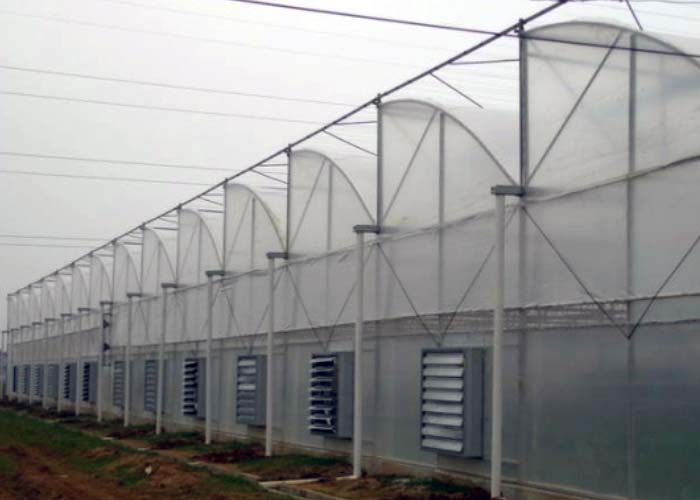
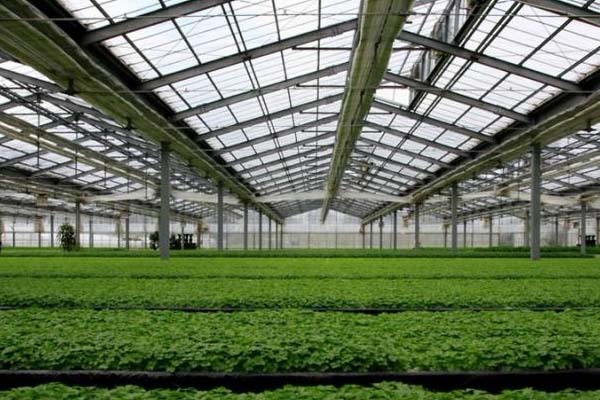
Vegetable PC Greenhouse: Configuration Tiers Before Quotations
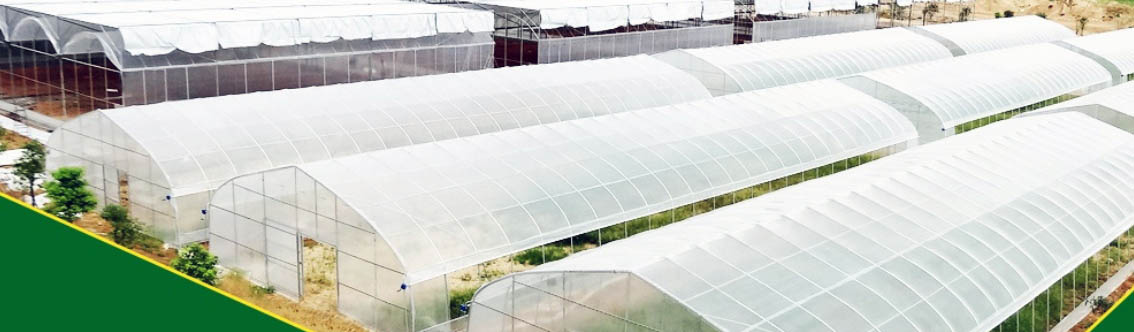
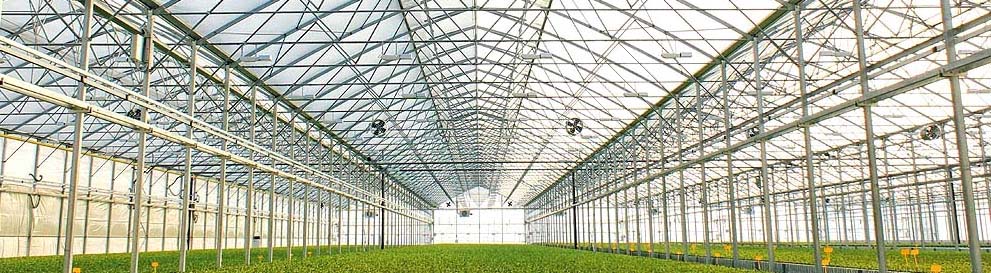
A vegetable PC greenhouse is a steel-skeleton house roofed with one or several layers of insulating polycarbonate. The PC structure frame gives excellent thermal insulation, so growers can keep eating in-season vegetables. Drainage matters too, and the closed space keeps the carbon dioxide released by the crop inside. Adjusting the production season and raising yield and quality is an effective way to increase revenue; commercial vegetable greenhouse projects are widely chosen.
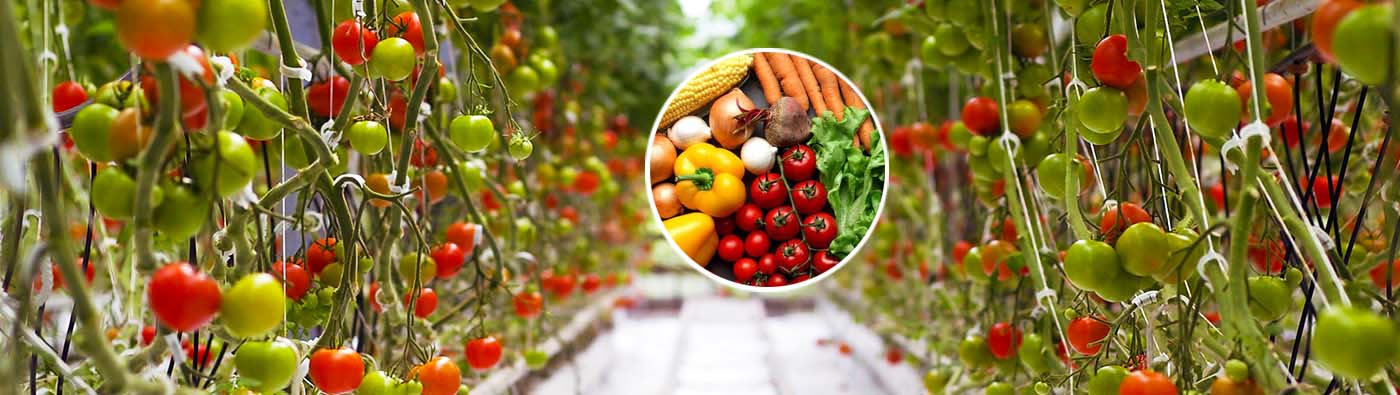
Some greenhouse vegetable cultivation gives unsatisfactory results. Besides a wrong variety or method, the four evils — fertiliser damage, pesticide injury, drought and continuous-cropping obstacles — often explain the loss, and they depend less on the quotation than on whether the configuration suits the climate and the cropping plan.
Entry, Standard and High-Spec: What Differs Across Seven Systems
Covering. Entry: PC sheet on the roof, film side walls. Standard: double-wall hollow PC on roof and walls. High-spec: thicker multi-wall PC, gaskets and profiled closures.
Ventilation. Entry: manual roof vents. Standard: gear-driven ridge or side vents with screens. High-spec: motorised ridge vents plus forced ventilation through evaporative cooling pads.
Shading. Entry: none, or shading compound on the roof. Standard: an internal screen. High-spec: external and internal screens on motorised drives, the internal one aluminium-faced for winter heat retention.
Heating. Entry: none, relying on the insulating PC covering. Standard: hot-water pipes along the gutters with a matched boiler. High-spec: zoned circuits paired with the thermal screen.
Irrigation. Entry: a tap and hand watering. Standard: drip or micro-sprinkler lines with filters and a fertiliser mixing tank. High-spec: a fertigation controller regulating pH and EC, with sector valves and drainage recovery.
Control. Entry: manual switching and thermometers. Standard: stage controllers for vents, fans and heating. High-spec: a climate computer running vents, screens, heating and irrigation together. A film greenhouse cost tier works the same way.
Fixed at the Start, Addable Later, and What to Protect First
Anything buried, welded or dimensioned cannot be revisited later. Fixed from the beginning: foundation and anchor layout, skeleton, span and bay, gutter height, roof form and site drainage. Once the foundation is poured the house cannot be widened, and a frame dimensioned for a single-layer roof will be overloaded by screens and heating pipes. Site and water belong here too: check for uncontaminated water in sufficient quantity, cut good ditches, and build in irrigation from the start.
Addable later: vent actuators, screens and motors, heating pipes and boiler, drip lines and the climate controller — but only if the first stage left room. Reserve electrical capacity, leave water-circuit stubs and mark the reinforcement points on the skeleton.
On a tight budget the structure comes first: a sound frame on drained ground still crops, while an excellent controller on a weak frame does not. Ventilation and irrigation rank above automation, because they decide whether the four evils appear at all. Covering specification is covered in reading polycarbonate covering parameters and PC hollow panel specification.
Which Tier Each Climate Pulls the Budget Toward
Hot, humid summers. Ventilation and shading first, irrigation sized for peak demand, drainage for heavy rain; heating can stay minimal, since an undersized vent area is felt every afternoon.
Temperate climates. A standard configuration with generous ventilation and reliable irrigation is usually enough.
Windy or snow-prone sites. Budget goes into frame, foundation and snow shedding, and away from screens and controllers.
The Four Evils and the Management the Tier Supports
Fertiliser damage is in fact harmful salts from excess chemical fertiliser or salinisation. Roots weaken first; then the soil solution becomes too concentrated and reverse osmosis causes wilting or scorched leaf margins; then toxic gases; and finally induced nutrient deficiencies.
Pesticide injury covers both explicit phytotoxicity with visible symptoms and hidden injury whose symptoms are latent or deferred. Causes: misuse of pesticides including herbicides, over-concentrated sprays, low-quality pesticides, and spraying in hot weather without protection; affected plants show chlorosis, burns, perforation, or dropped leaves, flowers and fruit.
Drought follows a badly sited house with a local water shortage, poor water quality, or insufficient water with incomplete ditches and drainage. It threatens sowing and seedlings and makes fertilising and spraying far harder.
Continuous-cropping obstacles mean growing the same or a similar vegetable repeatedly lowers yield and quality: the crop prefers the same nutrients, and soil-borne pathogens such as Fusarium wilt and Wilt accumulate.
The response has three parts: improve the water system, with uncontaminated water and drainage; fertilise in a balanced way, with matured organic manure, refined high-energy organic fertiliser, more potassium and less heavy nitrogen and phosphorus, graded amounts and daytime liquid fertiliser after damage; and adjust rotation, replacing eggplant, tomato and melon with other vegetables and replenishing the deficient nutrient. A supplier with above 35 years of greenhouse manufacturing experience can match these routines to the tier.
To know more about the vegetable PC greenhouse range, E-mail sales@cngreenhouses.com or call +86 191 5068 3942. Comparing a PC house with a film house? See the film house budget breakdown and follow protected-cropping news at HortWeek.
Frequently Asked Questions: Vegetable PC Tiers
Q1: Which configuration items must be fixed before the foundation is poured?
A: Foundation and anchor layout, skeleton, span and bay, gutter height, roof form, site drainage. Neither the foundation nor a frame dimensioned for a single-layer roof can be widened or reinforced later.
Q2: Can a vegetable PC greenhouse start with no heating and add it later?
A: Yes — pipes, boiler and controller come later, with the PC covering already carrying part of the heat-retention load. The first stage must reserve electrical capacity and leave water-circuit stubs.
Q3: With a limited budget, spend on the structure or on climate control?
A: On the structure, with the site and drainage. A sound frame on drained ground still crops; an excellent controller on a weak frame does not.
Q4: How much of the climate does the polycarbonate covering carry by itself?
A: Entry: a single PC roof layer with film side walls carries little, so ventilation and shading do the work. Double-wall PC is standard; thicker multi-wall PC with gaskets is high-spec.
Q5: What are the four evils that cause losses in vegetable greenhouse cultivation?
A: Fertiliser damage, pesticide injury, drought and continuous-cropping obstacles — salt build-up, visible and hidden spray symptoms, water shortage from siting or drainage, and falling yield from soil-borne pathogens.
Q6: How should fertilisation and rotation be handled inside the house?
A: Matured organic manure through the year, refined high-energy fertiliser, more potassium with stable nitrogen and phosphorus, graded amounts and liquid fertiliser after damage. Replace eggplant, tomato and melon yearly or quarterly.
 Deutsch
 Español
 Français
 Italiano
 Português
 日本の
日本の
 한국어
한국어
 العربية
 български
 hrvatski
 česky
česky
 Dansk
Dansk
 Nederlands
 suomi
suomi
 Ελληνικά
 हिन्दी
 norsk
norsk
 Polski
 Română
 русский
 Svenska