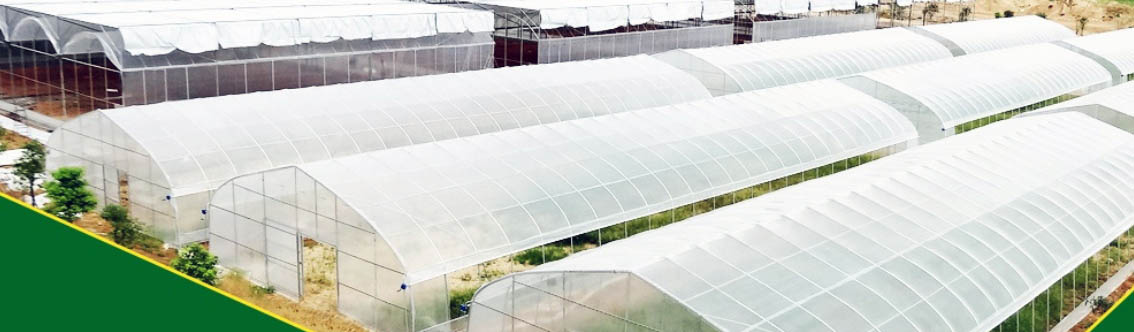
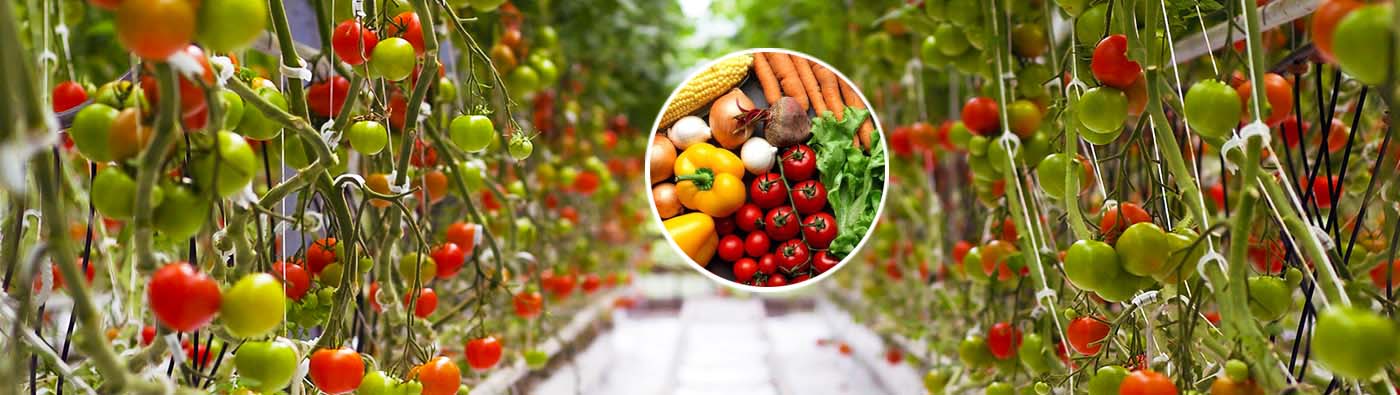
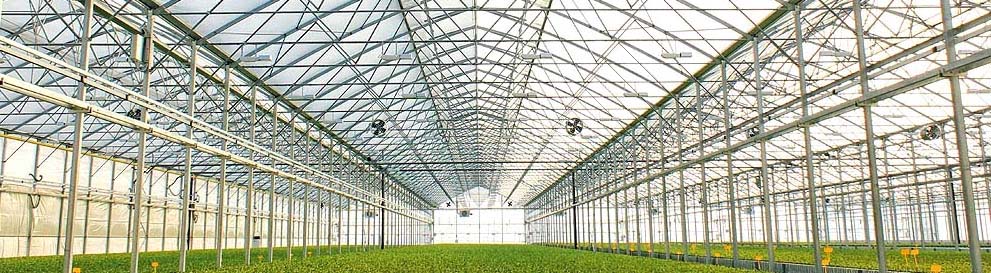
- Commercial Greenhouse
- Film Greenhouse
- PC Greenhouse
- Glass Greenhouse
- Tunnel Greenhouse
- Scientific Research Greenhouse
- Vegetable Greenhouse
- Flower Greenhouse
- Multi-span Greenhouse
- Sawtooth Greenhouse
- Greenhouse Equipments
- Greenhouse Accessories
- Hot Dip Galvanized Pipe
- Irrigation System
- Hydroponics System
- Planting Tools
- Planting technology
Tel: +86 191 5068 3942
Fax:
Mobile: +86 191 5068 3942
Contact: Alina
E-mail: sales@cngreenhouses.com
SKYPE:

You are here: China Greenhouse Manufacturers > Commercial Greenhouse > Scientific Research Greenhouse


Research Glass Greenhouse - Light Uniformity for Trials
Research greenhouse glass panels for optical consistency: glazing choice, light uniformity across benches, condensation control and sealed joints.
.
TEL:+86 191 5068 3942
- Features


Why the Covering Is the Decision You Cannot Take Back:
A research greenhouse exists for the strict control of the laboratory, plant material and breeding programme, and is usually built as a multi room special test laboratory rather than one open floor. The structure we use is hot dip galvanized pipe to avoid rust, but the cover fixes everything else: once the span, glazing bars and gutters are in place, the light reaching the benches and the heat lost after dark are set for the life of the building. This house is built on an 8mm polycarbonate hollow sheet and 5mm glass combination, which gives good light transmittance, holds warmth well and keeps every bay visible. This page covers the optics of that cover: the glass itself, how evenly it passes light, what dirt and condensation do to it, and how the frame and seals keep trials comparable.Float Glass and Toughened Glass: Two Different Jobs:
Float glass is floated over molten tin, so both faces come out flat and parallel and the pane is nearly free of the distortion that drawn or rolled glass carries. That matters here because when a plant is scored or photographed through the pane, a wavy sheet shifts the image and adds a variable unrelated to the treatment. Float glass is therefore the natural pane for vertical walls and inspection windows. Its weakness is mechanical and thermal - a large pane gives way into long, sharp pieces, so it should not hang above a working area. Toughened glass is heat treated, carries far higher bending and thermal shock resistance, and fails into small granules instead of blades, so it belongs overhead, on sloping glazing and anywhere a ladder or trolley can reach. Most research houses use both, and thickness is chosen with the free span: the 5mm glass on this house is a general purpose pane.Light Uniformity: Even Light Beats Peak Light:
A research house is judged on whether two beds under different treatments were really grown under the same conditions, so the question is not how bright the brightest point of the floor is but how evenly light is spread across it. Shadow moves. The gutter, the ridge and the glazing bars each throw a shadow line that travels over the benches as the sun moves, and a bay at the gable end sits under a different light climate from a bay in the middle of a long range. Orientation relative to the sun path, the number of spans, whether the side walls are glazed as well as the roof, and how evenly a shading screen retracts all redraw that pattern, so the aim is a floor with no dark corner where a treatment effect could hide. Light also has a thermal shadow: glass insulates less than any other common cover, so the same glazing that passes the most light also loses the most heat after dark, and the air in the house tracks the outside air and the season rather than leading it, peaking about two hours behind the land, with a wide daily swing in sun and a narrow one on dull days.Dirty Glazing and Condensation: The Quiet Errors:
Two things quietly change the optics of a house that nobody altered on the drawing: dirt and water. Dust, pollen, algae and hard water marks all cut transmission, and they cut it unevenly, so the bay under a dirty patch or a leaking gutter is measured under a different light climate from the bay beside it. Cleaning therefore follows the season and the dust load rather than a fixed calendar, with clean low mineral water to avoid the film that bites into a surface, and no abrasive pads on glass. Water is the second effect. After dark the inner face of single glazing can fall below the dew point, and the film of water that forms scatters light the way dirt does, drips onto leaves and benches, and wets the surfaces where notes and samples are handled. Gutters and drip rails carry that condensate out to the sides, away from the crop, and ventilation timed to clear humid air before the house cools does more than any surface treatment. This is where the 8mm polycarbonate hollow sheet earns its position: the multi wall section traps still air and drips far less onto the crop than a single pane.Frame, Sealing and Ten Seasons of the Same House:
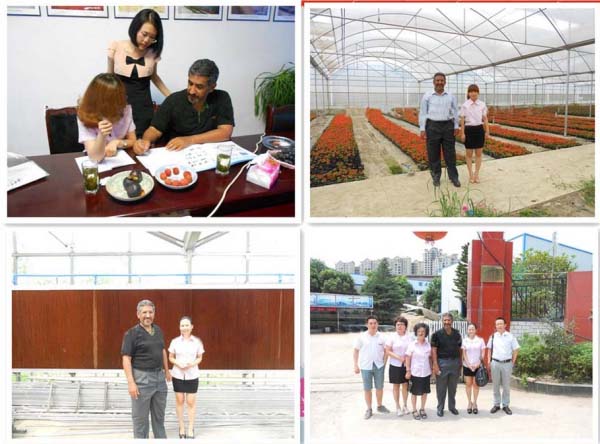
Optics stay stable only if the structure holds the glazing in place season after season. Glazing bars, gaskets and vent seals all move with temperature and age, and a joint that opens lets water in, and lets air, spores and insects pass between bays - the one thing a compartmented research house cannot tolerate. The frame we build on is hot dip galvanized steel, and the coating is matched to the site, to the corrosion class C2 to C5 of ISO 9223 and BS EN ISO 14713-1, according to how salty, humid or industrial the location is, so the house measured against in ten seasons is the house commissioned. We have been supplying glass and polycarbonate greenhouses for research, teaching and quarantine work for above 35 years. The houses serve animal safety tests, biological safety tests, plant inspection and quarantine and teaching experiments, so the safety level is higher than on a production house: waste water and solid material from a compartment can be transformed into a non toxic state instead of being discharged. A computer or monitor system is normally required, and a door registering system is popular where access must be recorded. Systems that can be added include cooling and heating, irrigation, ventilation, fertilization, shading and benches. The package is metal structures, covering system and install accessories, and our engineers can travel to site to guide installation. Every year customers visit the factory, and the models we quote come from the wider commercial greenhouse range - see the glass greenhouse models or the PC sheet greenhouses, or the research glasshouse range, or read more about our greenhouse factory. Tell us the trials you plan and we will set the span, the glazing and the zoning around them; call +86 191 5068 3942 or E-mail sales@cngreenhouses.com.
Frequently Asked Questions:
Q: Does the type of glass change how a trial can be assessed?
A: Yes. Float glass is flat and almost distortion free, which matters when plants are scored or photographed through the pane, while toughened glass is stronger, resists thermal shock and breaks into small granules, so it suits roofs.
Q: Why does light uniformity matter more than the highest light level?
A: Because a trial compares treatments, not houses. If one bay is brighter than another, the difference between the beds may come from the building rather than the treatment. Glazing bars, ridge direction, gable end exposure and uneven shading all move light around the floor.
Q: What makes condensation on glazing a problem rather than a nuisance?
A: After dark the inner face of single glazing can drop below the dew point, and the water film scatters light the way dust does, drips onto leaves and benches, and wets the surfaces where notes are handled. Gutters and drip rails plus well timed ventilation keep it working.
Q: How often should greenhouse glass be cleaned?
A: Follow the season and the dust load rather than a fixed calendar. Dust, pollen, algae and hard water marks reduce transmission unevenly, so the bay under a dirty patch is biased. Clean low mineral water avoids the film, and abrasives should not be used.
Q: Is glass or a polycarbonate sheet the better cover for optical work?
A: Glass passes the most light of the common covers and stays transparent, which helps the crop and anyone observing a trial, but it insulates least. Where night heat retention and drip control matter more than peak light, the 8mm polycarbonate hollow sheet on this house is the better answer.
Q: What information do you need before quoting a research house?
A: The trials you plan to run, the number and size of compartments, the set points to hold and your site conditions. From that we set the span, the height, the glazing and the zoning.
Note: If you're interested in the product, please submit your requirements and contacts and then we will contact you in two days. We promise that all your informations won't be leaked to anyone.
 Deutsch
 Español
 Français
 Italiano
 Português
 日本の
 한국어
 العربية
 български
 hrvatski
 česky
 Dansk
 Nederlands
 suomi
 Ελληνικά
 हिन्दी
 norsk
 Polski
 Română
 русский
 Svenska