- Commercial Greenhouse
- Film Greenhouse
- PC Greenhouse
- Glass Greenhouse
- Tunnel Greenhouse
- Scientific Research Greenhouse
- Vegetable Greenhouse
- Flower Greenhouse
- Multi-span Greenhouse
- Sawtooth Greenhouse
- Greenhouse Equipments
- Greenhouse Accessories
- Hot Dip Galvanized Pipe
- Irrigation System
- Hydroponics System
- Planting Tools
- Planting technology
Tel: +86 191 5068 3942
Fax:
Mobile: +86 191 5068 3942
Contact: Alina
E-mail: sales@cngreenhouses.com
SKYPE:


- Features


Description:
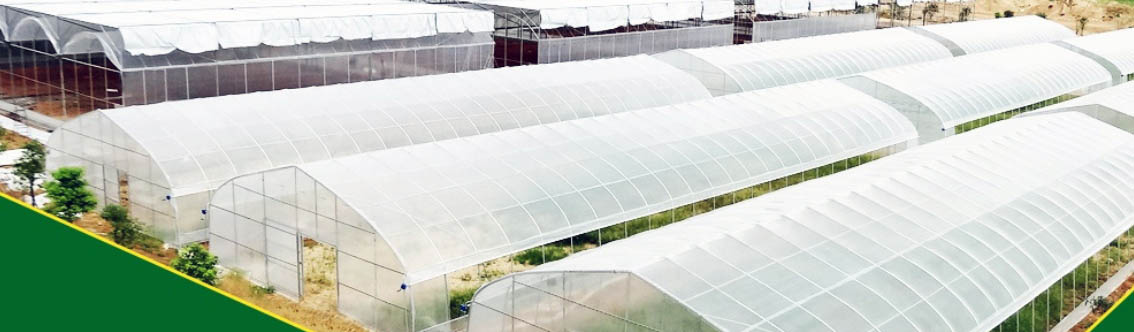
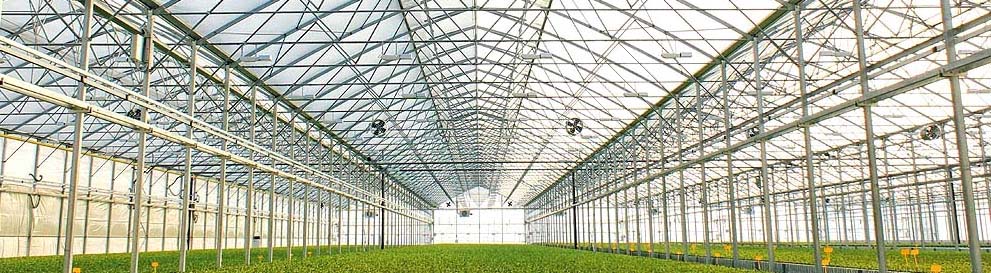
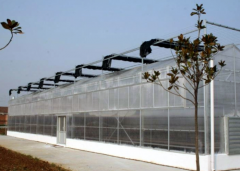
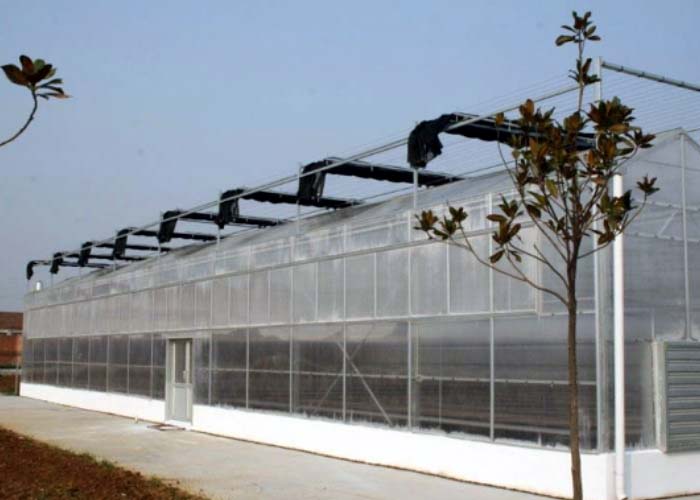
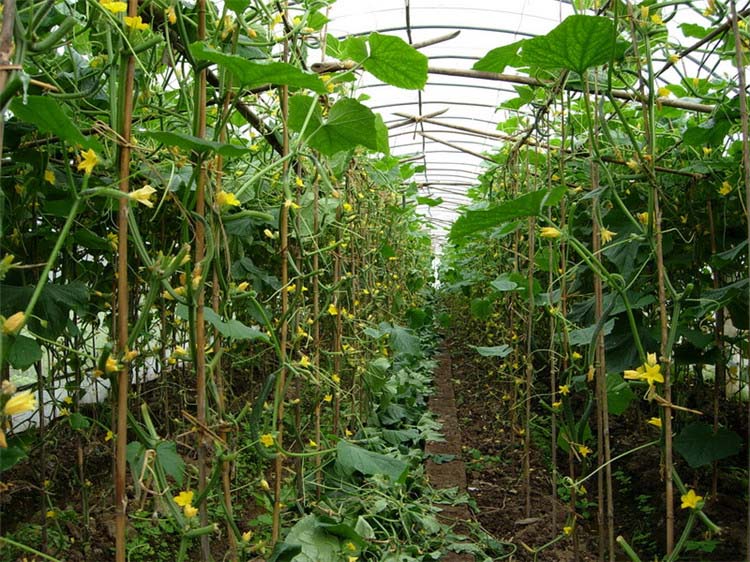
A vegetable greenhouse range is an excellent thermal insulation properties of the PC structure frame, so it appears that people can eat in-season vegetables. Usually vegetable greenhouses using steel skeleton, the top covered with a layer or multi-layer insulation PC, thus forming a greenhouse space. Drain well to prevent the outer membrane of the internal growth of vegetables produced by carbon dioxide, so the studio has good insulation effect.
This page looks at the small and portable end of that family in winter. Its air volume is modest, so it warms quickly and cools as quickly after sunset, and its light build makes sealing and anchorage the weak points.
Winter Risks Inside a Small PC House:
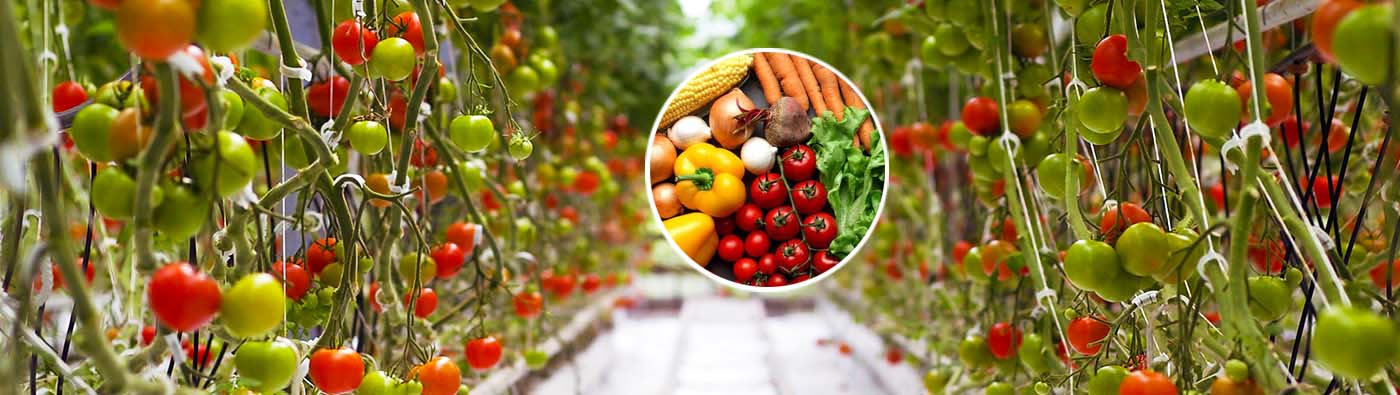
Adjust vegetable production season and promote high yield and quality of vegetables, it is one of the effective means to increase revenue, and a commercial greenhouse hub of growers sees the benefits as obvious. But apart from wrong varieties or the wrong way, the four evils below often cause the loss.
●Fertilizer damage. The product is harmful salts, from partial excess of chemical fertilizers or the soil salinization fertilizing generates. Root development is suppressed and water and fat absorption weakens; the soil solution concentration is too large, reverse osmosis causes physiological wilting or scorched leaf margins; and element deficiencies are induced.
●The injury. There are explicit phytotoxicity symptoms and hidden injury that is latent or deferred. Causes: wrong pesticide choice or herbicide misuse, too-large concentration, and spraying not avoided in the hot season. Leaves chlorosis or burns appear, leaves and fruit drop or deform, and the most serious whole withered.
●The drought victims. Causes: inappropriate siting where water is locally lacking; water present but of poor quality; or too little water with ditch, drainage and irrigation incomplete, so water is hard to lead. Sowing and seedling security and normal growth suffer.
●Even stubble obstacles. It is in the same category or the same kinds of vegetables, while yield and product quality is declining, because similar vegetables prefer a nutrient not supplemented in time and soil diseases from pathogens such as Fusarium wilt and Wilt accumulate.
Minimum Viable Insulation, Heating and Light:
Choosing the insulation set. Seal before adding heat, insulate before adding capacity. A portable house loses most warmth through joints, the door, the base line and panel gaps, so close those first: re-tension the covering, gasket the door, bank the skirt, and fit a removable night curtain.
Pairing heating with the curtain. Heat and insulation are one system in a small volume: heat without a curtain rises and leaves, and a curtain over cold plants does nothing for the root zone. Close the curtain before the internal temperature bottoms out, keep heat low and distributed, and prefer a small buffer of thermal mass to extra capacity.
Supplementing light on short days. PC sheet passes less light than clear film, so recover the daylight you have first, then add supplemental light when plants stretch, growth stalls with temperature and moisture correct, or fruit set is poor.
Ventilation and Moisture in a Closed Small Space:
The central conflict is that the same sealed envelope that keeps heat also keeps humidity and stale air, so the answer is timing and proportion. Exchange air in short bursts during the warmest, brightest part of the day and close well before the afternoon warmth fades; condensation inside the sheet then shows whether the proportion was right.
Water at the root and early in the day so the surplus leaves with the daytime exchange, and mulch the bed so less moisture evaporates into a small air volume. Guidance from the Food and Agriculture Organization frames protected cultivation as one balance of temperature, light, humidity and air exchange, and reporting at HortWeek returns to the small grower winning on attention to the envelope.
Off-Season Storage and Re-use Checks:
Taking it down for the idle season. A portable house can be dismantled and stored rather than left to weather. Clean the PC panels while still in place, dry them fully, then store them flat, out of sun and off the ground. Label and bag fasteners by position, keep the frame dry and supported, and keep the curtain and door seals with the hardware.
What to check before re-using it. Check the galvanised steel skeleton for corrosion: judge the corrosion class of the site against ISO 9223 and the protective scheme against BS EN ISO 14713-1, using class C2 to C5. Check the PC sheets for crazing and cracks at fixings, renew gaskets and seals, and verify anchors and drainage.
Solutions:
Therefore, in order to produce more high-quality vegetables, effective measures should be taken in a timely manner at the selection and production studio site.
First of all, to choose the right tent site, and improve water system facilities. Examine whether there is sufficient water and whether it has been contaminated; with sufficient water, make a good ditch, drainage and easy water drainage, and wherever conditions permit every greenhouse should install a water faucet.
Second, balanced fertilization, promote healthy growth of vegetables. (1) Administer year-round full maturity of organic manure; (2) administer refined organic fertilizer; (3) reduce nitrogen and phosphorus and increase potassium; (4) apply a graded amount of fertilizer; (5) when fertilizer damage appears, spray liquid fertilizer more actively.
Third, adjust the rotation and vegetable cultivation environment. (1) For eggplant, tomatoes and melons, replace them yearly or quarterly with other varieties; (2) where disorder appears again and again, apply organic fertilizer and improve the soil; (3) for soil nutrient deficiency, replenish the missing nutrients. Comparing a covered house with field production helps here, as set out in the vegetable greenhouse versus open field comparison, and compact houses can review the vegetable garden greenhouse for small growers article.
If you want to know more about greenhouse, please send an E-mail to sales@cngreenhouses.com or call +86 191 5068 3942. Bozong Greenhouse has been building protected-cultivation structures for above 35 years.
Frequently Asked Questions:
Q: Can a small PC greenhouse hold its warmth through a winter night?
A: Far better than an unheated open bed, if the envelope is closed properly. The multi-layer PC sheet insulates; the screen, sealed door and skirt stop the small air volume dumping heat after sunset.
Q: What is the minimum insulation setup worth adding first?
A: Seal and insulate before you buy heat. Re-tension the covering, gasket the door, bank the base line, and add a removable night curtain; those steps recover the largest losses first.
Q: How do I balance insulation with ventilation on mild winter days?
A: Exchange air in short bursts during the warmest, brightest part of the day, open the leeward side first, and close before the afternoon warmth fades. Condensation inside the sheet means too little exchange.
Q: Do I need grow lights in a small PC greenhouse in winter?
A: Not always. Recover the daylight you have first by cleaning the panels, removing daytime shade and keeping the curtain open, then add light only when plants stretch or growth stalls.
Q: How should I store a portable PC greenhouse in the off season?
A: Clean the panels while still in place, dry them fully, then store them flat, out of the sun and off the ground. Label and bag fasteners by position, keep the frame dry and supported, and keep the curtain and seals with the hardware.
Q: What should I check before re-using the house next season?
A: Inspect the galvanised skeleton for corrosion using ISO 9223 and the scheme against BS EN ISO 14713-1, with the C2 to C5 class of the site judging the protection needed.
 Deutsch
 Español
 Français
 Italiano
 Português
 日本の
日本の
 한국어
한국어
 العربية
 български
 hrvatski
 česky
česky
 Dansk
Dansk
 Nederlands
 suomi
suomi
 Ελληνικά
 हिन्दी
 norsk
norsk
 Polski
 Română
 русский
 Svenska