- Commercial Greenhouse
- Film Greenhouse
- PC Greenhouse
- Glass Greenhouse
- Tunnel Greenhouse
- Scientific Research Greenhouse
- Vegetable Greenhouse
- Flower Greenhouse
- Multi-span Greenhouse
- Sawtooth Greenhouse
- Greenhouse Equipments
- Greenhouse Accessories
- Hot Dip Galvanized Pipe
- Irrigation System
- Hydroponics System
- Planting Tools
- Planting technology
Tel: +86 191 5068 3942
Fax:
Mobile: +86 191 5068 3942
Contact: Alina
E-mail: sales@cngreenhouses.com
SKYPE:


Polytunnel Greenhouse - Hoop House and High Tunnel
What a polytunnel is, and how it differs from a hoop house or high tunnel: galvanised hoops, film cover and roll-up sides.
.
TEL:+86 191 5068 3942
- Features


What a Polytunnel Is:
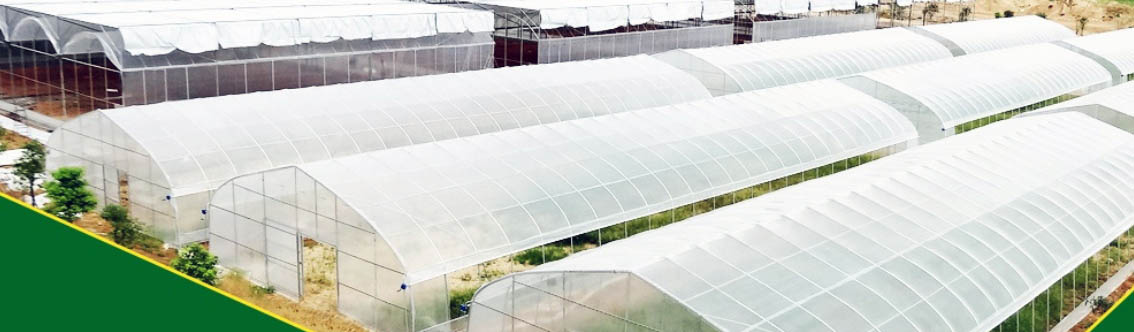
A polytunnel is a greenhouse built as an arch rather than as a building. Steel or galvanised hoops are set in a row at a fixed spacing, purlins tie them together, and the whole tunnel is covered with a single sheet of clear polyethylene film held in aluminium or galvanised channels. The same structure is sold under several names, and if you have been reading around you will have met most of them: tunnel greenhouse, hoop house, hoophouse, poly tunnel and high tunnel. They all describe this way of building - arched hoops with a film cover - and the differences between the names are about size and use, not about a different structure.Hoops, Film and Roll-Up Sides:
Three parts decide how well a tunnel works, and all three are visible in the photos above. The hoops are hot dip galvanized steel pipe, set at the spacing the site wind load calls for, with purlins and diagonal bracing so the row does not lean in a gale. The film is held in channels rather than tied over the frame, which is what keeps it tight and stops it flapping. And along each side runs a roll-up skirt: a length of film that can be wound up or down on its own, giving you the ventilation control over the crop that a sealed tunnel has no way of providing. You can see one side of the tunnel in the second photo wound up for the day. A tunnel without roll-up sides in a warm climate is a hot tunnel by mid-morning, no matter how well it is built.Polytunnel Against a Glass or PC House:
A tunnel is the cheapest way to put a crop under cover, and it is the fastest to erect: there is no glazing schedule, the hoops go up on the ground, and the film is a single sheet. It also gives you the cover you can roll up, which a glass house does not. What you give up is control and life. The film is re-covered every few seasons rather than lasting decades, a tunnel holds less heat than a hollow PC sheet on the same footprint, and it is not the right building for a research house or a visitor-facing project. The straightforward rule is: a tunnel for a field crop, a season extension or a low-cost first structure; a glass or PC sheet greenhouse when the crop, the control or the appearance justifies a permanent building.What a Polytunnel Grows Well:
Tunnels are used for vegetables through a long season, for cut flowers, for soft fruit and for raising young plants before they go out, and the first photo above shows one standing at the edge of an open field of flowering crops - that is a typical working arrangement, with the tunnel giving the crop a head start and the field taking over afterwards. What makes the tunnel earn its cost in each case is the same thing: it adds weeks at both ends of the season, which is worth more than the film costs. Set against that, a tunnel is not a house you heat through a hard winter, and it is not the structure to choose for a crop that needs tight humidity control. Ventilation, greenhouse irrigation, shading and a simple heating run can all be fitted to a tunnel, and specifying them with the structure costs less than adding them later.Sizing, Delivery and Ordering:
Tell us the width and length you want, the crop, and whether the hoops will stand on ground anchors or on a concrete strip - that decision follows from your wind load and your soil. We set the hoop spacing and the bracing from those figures, quote the film and the channels with the frame, and can supply the roll-up sides as a complete kit. Normal shipping time is 4 to 6 weeks after receipt of order, plus transit from the factory; 30% of the basic greenhouse price is charged on receipt of order and the balance before shipment. Look through the tunnel greenhouse models, the film greenhouse range they sit in and the wider commercial greenhouse range, read more about our greenhouse factory, call +86 191 5068 3942 or send an E-mail to sales@cngreenhouses.com.Frequently Asked Questions:
Q: What is the difference between a polytunnel, a hoop house and a high tunnel?
A: Nothing structural. All three describe arched hoops with a film cover. Hoop house and hoophouse are the older general terms; high tunnel is used for the taller walk-in versions; polytunnel and poly tunnel are the common names in Europe. The differences are about size and use, not about a different way of building.
Q: Why do the sides roll up?
A: Ventilation. A sealed tunnel overheats by mid-morning in a warm climate. The roll-up skirt along each side can be wound up or down on its own, which is the main way you control temperature and humidity over the crop.
Q: How is the film held on?
A: In aluminium or galvanised channels along the hoops and the end walls, rather than tied over the top. Channel fixing is what keeps the sheet tight and stops it flapping and tearing in wind.
Q: Should the hoops go into the ground or onto a concrete strip?
A: It follows from your wind load and your soil. Ground anchors suit most sites and are the cheaper option; a concrete strip or kerb is used where the wind figure is high or the ground is soft. Send us the site wind speed and we will specify it.
Q: How does a polytunnel compare with a glass house?
A: A tunnel is cheaper and faster to erect and gives you roll-up sides; a glass house gives more control, holds its cover for decades and suits research and visitor-facing projects. A tunnel is the right choice for a field crop or a season extension, glass or PC sheet when the crop or the appearance justifies a permanent building.
Q: What do you need from me to quote?
A: The width and length you want, the crop you plan to grow, your site wind speed and soil type, and whether you want roll-up sides and irrigation included. From that we set the hoop spacing, the bracing and the film specification.
Note: If you're interested in the product, please submit your requirements and contacts and then we will contact you in two days. We promise that all your informations won't be leaked to anyone.
 Deutsch
 Español
 Français
 Italiano
 Português
 日本の
 한국어
 العربية
 български
 hrvatski
 česky
 Dansk
 Nederlands
 suomi
 Ελληνικά
 हिन्दी
 norsk
 Polski
 Română
 русский
 Svenska