- Commercial Greenhouse
- Film Greenhouse
- PC Greenhouse
- Glass Greenhouse
- Tunnel Greenhouse
- Scientific Research Greenhouse
- Vegetable Greenhouse
- Flower Greenhouse
- Multi-span Greenhouse
- Sawtooth Greenhouse
- Greenhouse Equipments
- Greenhouse Accessories
- Hot Dip Galvanized Pipe
- Irrigation System
- Hydroponics System
- Planting Tools
- Planting technology
Tel: +86 191 5068 3942
Fax:
Mobile: +86 191 5068 3942
Contact: Alina
E-mail: sales@cngreenhouses.com
SKYPE:


Glass Greenhouse Panels - Aluminium Frame and Cover System
Glass greenhouse panels in aluminium profiles: 4-5mm float or tempered glass, sealed glazing bars, above 90% light for growers.
.
TEL:+86 191 5068 3942
- Features


Basic Information:
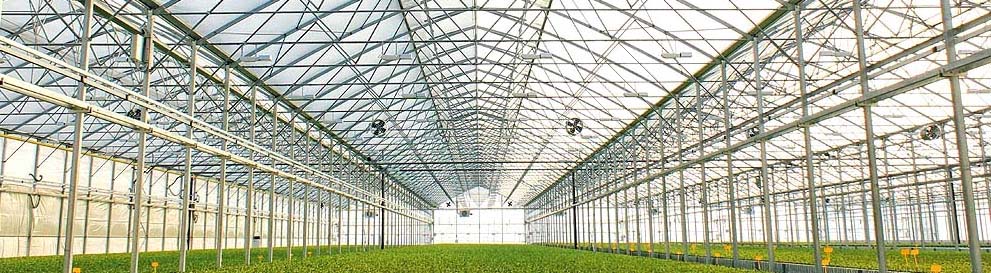
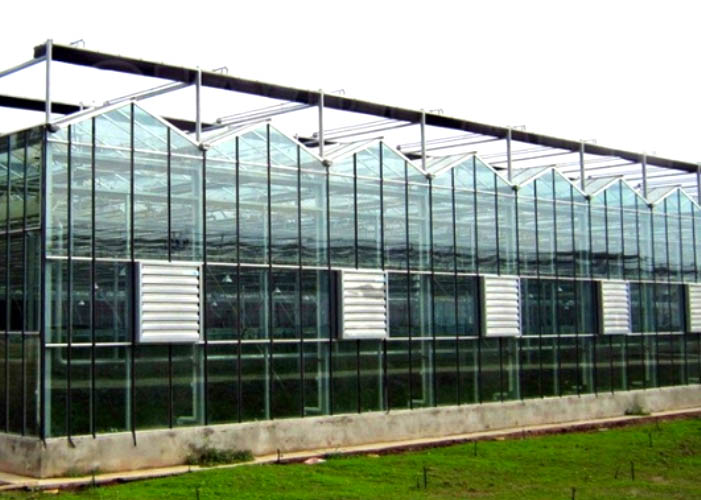
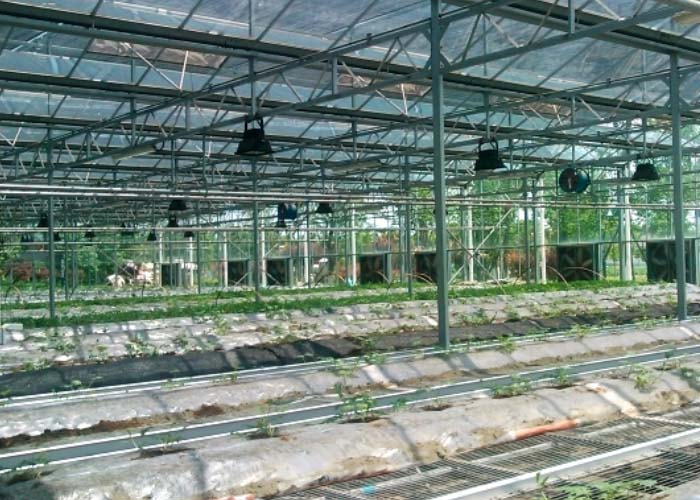
Size: 15 m x 30 m | Area: 450 square metres | Type: gable roof glass greenhouse | Cover: single layer glass
Glass: 4 mm or 5 mm float glass, or 5 mm tempered glass | Light transmittance: above 90% | Frame: hot dip galvanized steel pipe
Gable spans: 8 m to 10.8 m | Total height: 4 m to 5.3 m | Wind and snow load: 0.35 kN/m2
What the Glass Cover Actually Is:
The panels are 4 mm or 5 mm float glass, or 5 mm tempered glass where a stronger pane is wanted - the tempered option is the one we recommend on the roof of a house that sees hail or where people work underneath. Float glass is the standard choice for walls and for roofs in mild climates, because it is flat, clear and economical to replace a single pane. Light transmittance stays above 90% across the whole cover, which is the highest of the three coverings we build with, and the glass keeps that clarity for the long term rather than yellowing or going slack the way a film does. A glass cover also has a low coefficient of thermal expansion, so the panels move very little between a hot afternoon and a cold night - which is why the glazing stays tight over the years instead of working itself loose.Aluminium Profiles and Sealing:
Glass is only half of a cover system; the other half is what holds it. Every pane sits in purpose-made aluminium profiles on the roof, the side walls and the end walls, with sealing strips between the glass and the profile. The profiles are what keep the panes in a straight line and at the right fall, and the sealing is what stops a house leaking at the joints. This is the part of a glass house that is most often done badly by other suppliers: a frame that is out of square, a profile that is too thin for the wind load, or a seal fitted the wrong way round will all show up as drips and rattling panes within the first season. We cut and drill every profile in our own factory before packing, so the panels go together in the order the drawings set out.Light, Heat and the Honest Trade-off:
Glass gives you the light; it does not give you the insulation. Its heat retention is lower than a hollow PC sheet or a double layer of film, so on a cold site the house is normally supplied with a heating system sized for the location rather than relying on the cover. In summer the same property works in your favour - the house vents fast, and a roof and side vent combination will clear the heat without much help from fans. The practical way to read this is: if light is the limit on your crop, glass is the cover; if holding warmth is the limit, compare the polycarbonate sheet houses on the same span before you decide.Replacing and Maintaining Panels:
One of the practical advantages of a glass cover is that it is repaired pane by pane. A broken sheet is swapped out on its own - the profile is opened, the old glass lifted clear and a new pane of the same thickness set in - without touching the rest of the roof. For a grower that means a hail event or a stray stone costs one panel and an afternoon, not a whole re-cover. Keep a small stock of spare panes and sealing strip on site in the two thicknesses you use, and check the seals along the windward wall each season; that is the whole maintenance routine. A glass house that is put up square and sealed properly will hold its cover for years, and the glass itself is UV stable rather than degrading in the sun.Sizing, Shipping and Ordering:
Gable spans run from 8 m to 10.8 m with a total structure height of 4 m to 5.3 m, and the length is set by the number of bays your site calls for, so the house is quoted from a layout rather than a catalogue size. Normal shipping time is 4 to 6 weeks after receipt of order, plus transit from the factory; 30% of the basic greenhouse price is charged on receipt of order and the balance before shipment. Tell us the span and length, the crop you plan to grow, your local wind and snow figures and whether you want float or tempered glass, and we will confirm the layout, the panel schedule and a quotation. Look through the glass greenhouse models or the wider commercial greenhouse range first, read more about our greenhouse factory, call +86 191 5068 3942 or send an E-mail to sales@cngreenhouses.com.
Frequently Asked Questions:
Q: What glass is used on this greenhouse?
A: 4 mm or 5 mm float glass as standard, or 5 mm tempered glass where a stronger pane is wanted. Float is the usual choice for walls and mild-climate roofs; tempered is what we recommend on a roof that sees hail or that people work underneath.
Q: How much light does the cover pass?
A: Above 90% across the whole cover, the highest of the three coverings we build with, and it stays clear for the long term rather than clouding.
Q: Can a single broken pane be replaced?
A: Yes. The profile is opened, the old glass lifted clear and a new pane of the same thickness set in - the rest of the roof is not touched. Keep a small stock of spare panes and sealing strip on site and a broken sheet costs one panel and an afternoon.
Q: What holds the glass, and how is it kept from leaking?
A: Purpose-made aluminium profiles on the roof, sides and end walls, with sealing strips between the glass and the profile. Alignment and sealing are the details that decide whether a glass house stays dry, which is why every profile is pre-cut and pre-drilled in our factory.
Q: Is glass suitable for a cold climate?
A: Glass has lower heat retention than PC sheet or double-layer film, so a cold site is normally supplied with heating sized for the location. If holding warmth matters more than peak light, a PC sheet house on the same span is the better answer and we will say so.
Q: What information do you need to quote a glass house?
A: The span and length you need, the crop you plan to grow, your local wind and snow figures and whether you want float or tempered glass. With that we can confirm the layout, the panel schedule and a quotation.
Note: If you're interested in the product, please submit your requirements and contacts and then we will contact you in two days. We promise that all your informations won't be leaked to anyone.
 Deutsch
 Español
 Français
 Italiano
 Português
 日本の
日本の
 한국어
한국어
 العربية
 български
 hrvatski
 česky
česky
 Dansk
Dansk
 Nederlands
 suomi
suomi
 Ελληνικά
 हिन्दी
 norsk
norsk
 Polski
 Română
 русский
 Svenska