- Commercial Greenhouse
- Film Greenhouse
- PC Greenhouse
- Glass Greenhouse
- Tunnel Greenhouse
- Scientific Research Greenhouse
- Vegetable Greenhouse
- Flower Greenhouse
- Multi-span Greenhouse
- Sawtooth Greenhouse
- Greenhouse Equipments
- Greenhouse Accessories
- Hot Dip Galvanized Pipe
- Irrigation System
- Hydroponics System
- Planting Tools
- Planting technology
Tel: +86 191 5068 3942
Fax:
Mobile: +86 191 5068 3942
Contact: Alina
E-mail: sales@cngreenhouses.com
SKYPE:


Building a Greenhouse for Vegetables - Site to Cover
Building a greenhouse for vegetables step by step: site and orientation, foundations, galvanized frame, film covering and ventilation from day one.
.
TEL:+86 191 5068 3942
- Features


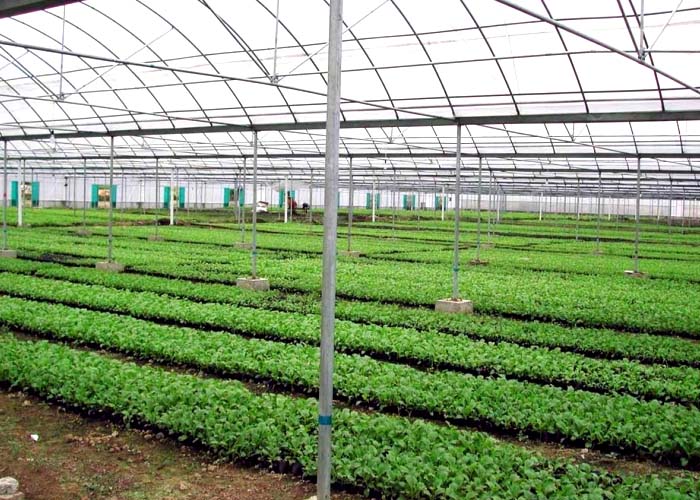
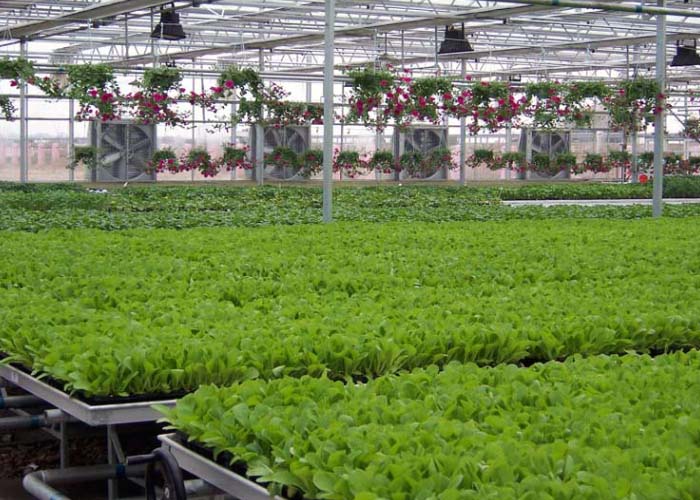
Start With the Site and Orientation:
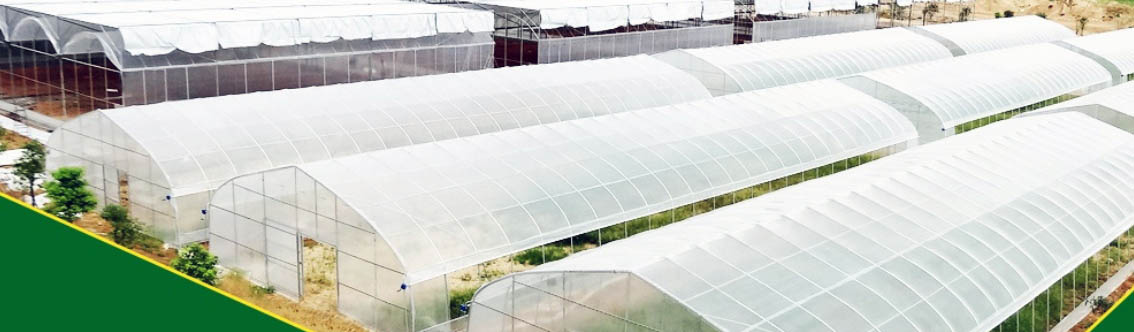
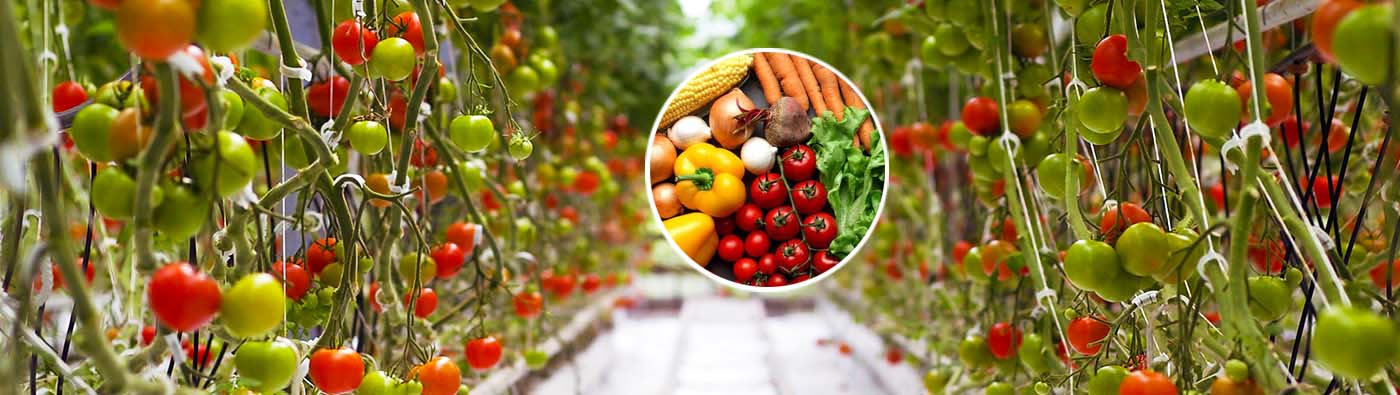
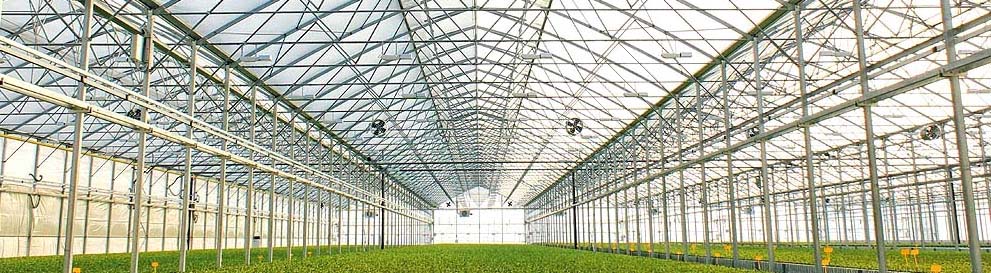
Building a greenhouse for vegetables goes well if the first two decisions are right. Choose ground that is level or easy to grade, with an uncontaminated water supply and drainage that can carry excess water away, because a house that sits wet is a house that struggles. Then set the orientation: in most latitudes a ridge running north to south spreads winter light evenly across the crop, while the prevailing wind decides where the doors and side vents should sit so they open usefully instead of fighting gusts. The two photos above show finished houses at work: a multi-span film house with long seedling beds, and a growing room with lettuce benches, hanging baskets and wall-mounted circulation fans.Foundations and Frame:
Set out the column positions from the drawing, then fix the foundations - ground anchors on stable soil, concrete footings where the wind or snow load is higher. The frame goes up section by section: arches, purlins and braces, checked for alignment as you go. Our vegetable houses use hot dip galvanized steel pipe, which resists rust for the life of the structure, and the same engineering that goes into our multi-span greenhouse frames goes into a single span. If you want to see how a finished build looks in the field, browse our finished greenhouse projects before you commit to a design.Covering and Ventilation:
Pull the film on a calm day, lock it into the channels with spring wires, and tension it evenly so the cover sheds wind rather than flapping. Ventilation is planned at the same time, not retrofitted: side rolls for everyday air exchange, roof or end vents where the crop needs more, and space left clear so air can actually move. A closed house with poor ventilation loses more crop than an open one loses to cold, so treat the vents as part of the structure from day one. Optional equipment such as circulation fans and shading is listed with our other greenhouse systems and equipment.Water and Growing Layout:
Plan the beds and the water in the same pass. Bed width is decided by the reach of the person working it, and the aisles by the barrow that serves them. An greenhouse irrigation installation is easiest before planting rather than after, and a faucet for every house keeps the daily work short. Drainage ditches belong outside the door line, so the aisles stay dry through the season.Support While You Build:
Our kits are numbered to the drawing, and our engineers can guide your crew through the key stages - foundations, frame alignment and film tensioning - remotely or on site. Every house ships in three groups: metal structures, covering system and install accessories. You can read about our greenhouse factory and the full commercial greenhouse range, call +86 191 5068 3942 or send an E-mail to sales@cngreenhouses.com.Frequently Asked Questions:
Q: Which way should a vegetable greenhouse face?
A: In most latitudes a north to south ridge spreads winter light evenly across the crop, and the prevailing wind decides where doors and side vents sit so they open usefully rather than fighting gusts.
Q: What foundation does a vegetable greenhouse need?
A: Ground anchors on stable soil, or concrete footings where wind or snow loads are higher. Column positions come from the drawing and the anchor choice is confirmed before the kit ships.
Q: What frame material should I use?
A: Hot dip galvanized steel pipe. It resists rust for the life of the structure, handles the humid conditions inside a vegetable house, and carries the same loads as the frames in our multi-span houses.
Q: When should ventilation be planned?
A: From day one, at the same time as the covering. Side rolls, roof or end vents and clear air paths are part of the structure; a closed house with poor ventilation loses more crop than an open one loses to cold.
Q: Can I add irrigation after the house is built?
A: You can, but it is easier before planting. Planning the irrigation lines together with the bed layout keeps the aisles dry and the daily work short.
Q: Do you support growers who build it themselves?
A: Yes. Kits are numbered to the drawing, and our engineers can guide your crew through foundations, frame alignment and film tensioning remotely or on site.
Note: If you're interested in the product, please submit your requirements and contacts and then we will contact you in two days. We promise that all your informations won't be leaked to anyone.
 Deutsch
 Español
 Français
 Italiano
 Português
 日本の
日本の
 한국어
한국어
 العربية
 български
 hrvatski
 česky
česky
 Dansk
Dansk
 Nederlands
 suomi
suomi
 Ελληνικά
 हिन्दी
 norsk
norsk
 Polski
 Română
 русский
 Svenska