- Commercial Greenhouse
- Film Greenhouse
- PC Greenhouse
- Glass Greenhouse
- Tunnel Greenhouse
- Scientific Research Greenhouse
- Vegetable Greenhouse
- Flower Greenhouse
- Multi-span Greenhouse
- Sawtooth Greenhouse
- Greenhouse Equipments
- Greenhouse Accessories
- Hot Dip Galvanized Pipe
- Irrigation System
- Hydroponics System
- Planting Tools
- Planting technology
Tel: +86 191 5068 3942
Fax:
Mobile: +86 191 5068 3942
Contact: Alina
E-mail: sales@cngreenhouses.com
SKYPE:


Expert Advice on Vegetable Greenhouse Management
Expert advice for running a vegetable greenhouse: daily temperature checks, venting discipline, watering, scouting for problems and steady feeding.
.
TEL:+86 191 5068 3942
- Features


Watch Temperature Every Day:
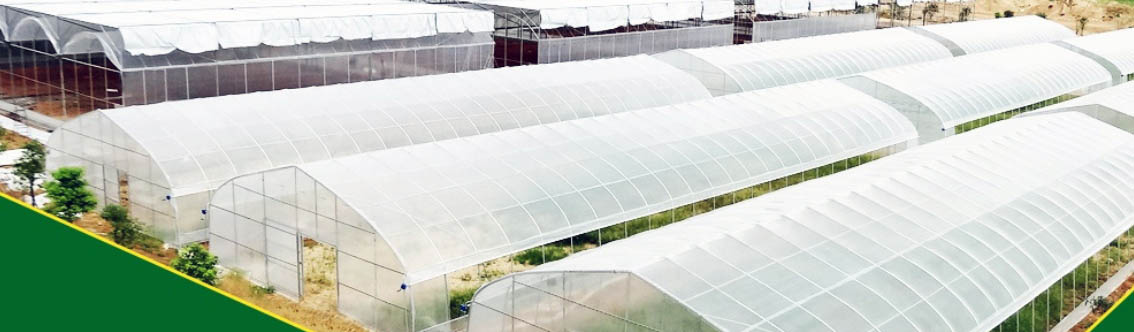
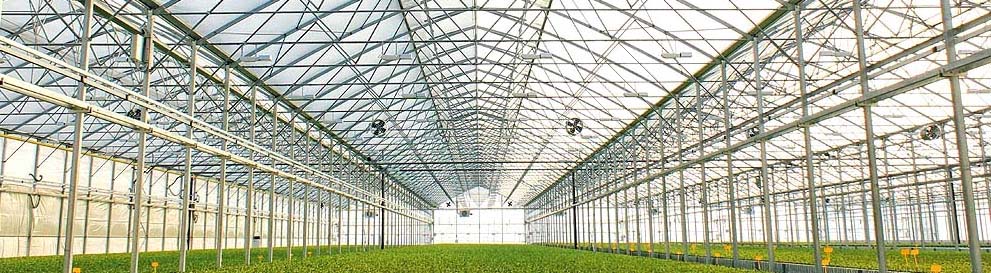
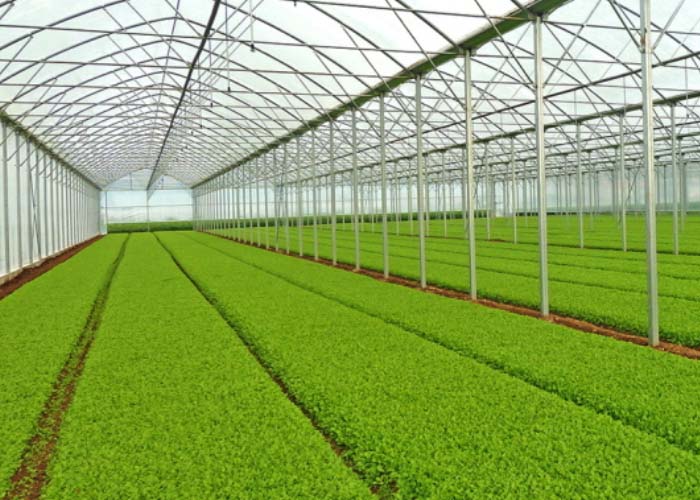
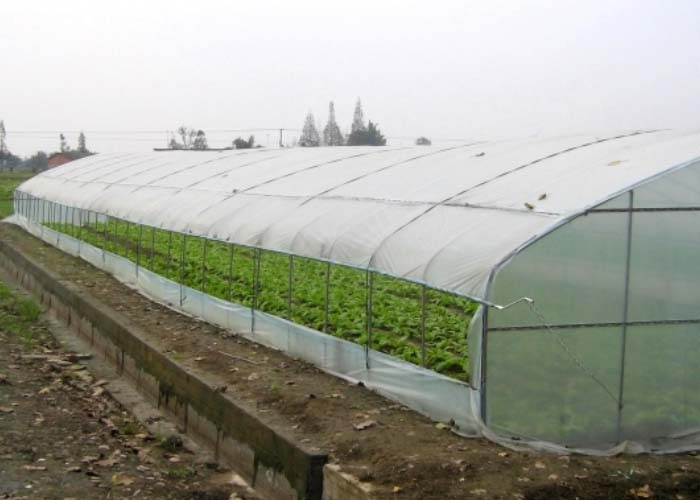
Good greenhouse vegetable growing is less about secrets and more about daily discipline. Temperature comes first: the air inside a house follows the weather outside, rising on sunny days and falling fast on clear nights, so it needs checking at fixed times rather than whenever someone walks past. Keep a written record of morning and midday readings. When the gap between day and night temperature is large, plan protective measures in advance instead of reacting after the crop shows stress. The two photos above show the houses this advice applies to: a wide multi-span house with young crop beds, and a single span plastic tunnel with its side film rolled up for air.Vent Early, Close On Time:
Ventilation is the cheapest crop protection you own. Roll up the sides early on warm days so humid air leaves before it condenses on the leaves, and close them in good time before evening so the house keeps its warmth overnight. After seedlings are planted out, hold off ventilating for a short period to raise the temperature inside and help the crop establish. A plastic tunnel greenhouse like the one in the second photo lives or dies by this routine - the structure is fine, but the rolled-up side film only works if someone opens and closes it on time.Water by the Crop, Not by the Clock:
Different crops and different stages drink at different rates, so water according to what the beds tell you rather than a fixed schedule. Water in the morning where possible so surfaces dry during the day, and keep the supply clean and uncontaminated. A simple greenhouse watering system makes the routine even, and drainage ditches carry away what the crop does not take. Where a house has its own faucet, the daily work gets shorter and nobody skips watering because the hose is missing.Scout the Crop Weekly:
Walk the rows once a week and look at the underside of leaves, not just the tops. Yellowing patterns tell you whether the problem is water, nutrients or disease; scorched margins usually point to salt build-up from over-fertilizing. Catching a problem in one bed is management; finding it in every bed is losses. Small equipment such as sticky cards and a greenhouse monitoring equipment set makes the scouting quicker and the records easier to compare week on week.Where Our Advice Comes From:
These routines come from years of building and supplying vegetable greenhouse houses and following up with the growers who use them. Every project starts with the crop and the season, and we say plainly when a simpler house will do the job. You can read about our greenhouse factory and the wider commercial greenhouse range, call +86 191 5068 3942 or send an E-mail to sales@cngreenhouses.com.Frequently Asked Questions:
Q: How often should I check the temperature in a vegetable greenhouse?
A: At fixed times every day, morning and midday at minimum, and write the readings down. The inside air follows the weather outside, so regular records show the pattern and let you plan protection before the crop shows stress.
Q: When should I open and close the vents?
A: Open the sides early on warm days so humid air leaves before it condenses on leaves, and close them in good time before evening to keep the warmth. After planting out, wait a short period before ventilating to help the crop establish.
Q: What is the best time of day to water?
A: Morning, so wet surfaces dry during the day. Water according to what the beds tell you rather than a fixed schedule, keep the supply clean, and let drainage carry away what the crop does not take.
Q: What should I look for when scouting the crop?
A: Look at the underside of leaves weekly. Yellowing patterns point to water, nutrients or disease, and scorched leaf margins usually mean salt build-up from over-fertilizing. Catching it in one bed is management; in every bed it is losses.
Q: Which greenhouse suits a new vegetable grower best?
A: Usually a single span plastic tunnel for the first seasons, moving to a multi-span house as the operation grows. We advise plainly based on your crop, season and budget rather than selling the biggest house.
Q: Do you advise on growing as well as on the structure?
A: We advise on how the structure serves the crop - venting, watering and layout - and follow up with growers after delivery. For plant science questions we point you to published guidance from agricultural organizations.
Note: If you're interested in the product, please submit your requirements and contacts and then we will contact you in two days. We promise that all your informations won't be leaked to anyone.
 Deutsch
 Español
 Français
 Italiano
 Português
 日本の
日本の
 한국어
한국어
 العربية
 български
 hrvatski
 česky
česky
 Dansk
Dansk
 Nederlands
 suomi
suomi
 Ελληνικά
 हिन्दी
 norsk
norsk
 Polski
 Română
 русский
 Svenska