
- Commercial Greenhouse
- Film Greenhouse
- PC Greenhouse
- Glass Greenhouse
- Tunnel Greenhouse
- Scientific Research Greenhouse
- Vegetable Greenhouse
- Flower Greenhouse
- Multi-span Greenhouse
- Sawtooth Greenhouse
- Greenhouse Equipments
- Greenhouse Accessories
- Hot Dip Galvanized Pipe
- Irrigation System
- Hydroponics System
- Planting Tools
- Planting technology
Tel: +86 191 5068 3942
Fax:
Mobile: +86 191 5068 3942
Contact: Alina
E-mail: sales@cngreenhouses.com
SKYPE:


- Features


A research greenhouse holds temperature, humidity, light and noise in narrower bands than a crop needs, and every band is paid for twice.
Where the Energy Actually Goes:
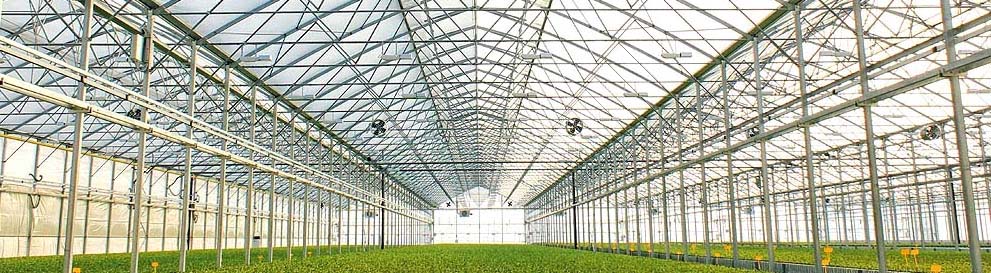
Beyond the usual facilities - ventilation, cooling, warming, irrigation, fertilization and electric control - a research house adds partition, benches, test monitoring, a fill light system and automatic control in the room. Four items dominate the meter. Warming carries the winter and shoulder-season load. Cooling and dehumidification are the electric tigers of a warm, humid site: both drive compressors and fans, and the two often run at once. Fill light is charged twice, because the heat the lamp puts into the air is removed again by the cooling plant.
Where the load sits depends on the duty the house serves. Animal safety tests, biological safety tests, plant inspection and quarantine and teaching experiments each want a different hold: a quarantine compartment is ventilated continuously, a teaching house stands empty for long stretches. The first step in cutting the bill is a record, not a machine - a season of running hours logged per compartment from the monitoring system the house already requires.
Compartments and Zoned Control:
A research house is normally built as a multi room special test laboratory rather than one open floor, separated into small compartments for different experiments or programmes. Zoning is the largest saving on this type of building, and it works on schedule rather than structure: a compartment with no trial running is held dark and cool while the room next door holds a photoperiod and a temperature, and a bench just harvested needs less night dehumidification than a full transpiring canopy.
The walls themselves add cost rather than saving it, since a small volume has more skin per square metre than a large one; the saving comes from conditioning a small volume only when it is in use. Air leaving through a door must be replaced and re-conditioned, so a door registering system is popular here - it counts how often the conditioned volume was opened. And where the exact requirements call for it, the waste water and solid material from a compartment can be transformed into a non toxic state rather than discharged.
Insulation and Shading: Taking Load Off the Machines:
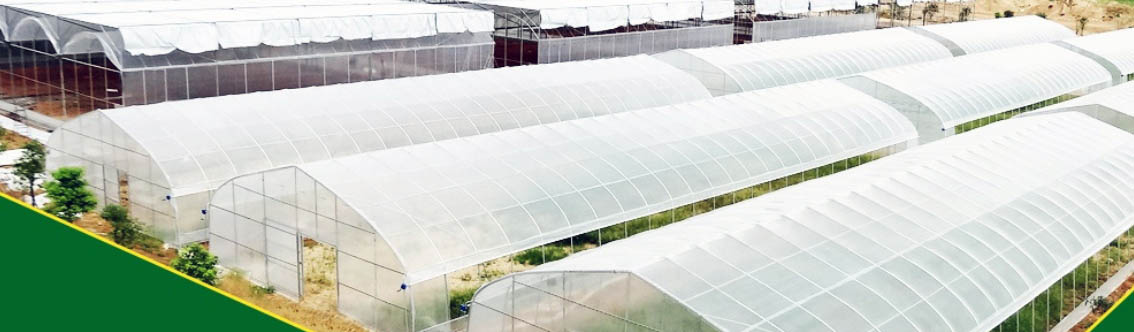
This house is built on an 8mm polycarbonate hollow sheet and 5mm glass combination, specified for good light transmittance and warmth retention, and the two halves work different shifts: the glazing takes the low winter sun that carries part of the warming load for nothing, while the hollow sheet, whose multiwall section traps still air, gives far less of that gain back after dark. Other glazing ratios are covered in the glass greenhouse range, and all three covers are compared in film, glass and PC sheet compared.
Shading is the other half: solar gain is free heat in January and an unwanted cooling load in July, and a screen fitted outside the glazing stops it before it enters. A retractable screen beats a fixed one, since shading left out through a dull week is paid back at the fill light meter. Where the light is weak and the house warms poorly, a small shed mulching measure inside raises the temperature the crop sees without using the heating plant. The frame is hot dip galvanized steel pipe to avoid rust, coated to the ISO 9223 class C2 to C5 of BS EN ISO 14713-1.
Running to a Schedule, Not to the Weather:
A research house does not lead the outside air, it lags it. The greenhouse air temperature peaks about two hours behind the land, so a controller that reacts to the house thermometer is always late: it warms after the coldest point has passed, and vents once the heat is already built. The fix saves the most for the least change - bring the set point up before dawn, and open the roof early to dump surplus heat so the cooling plant never fights a preventable peak.
The daily shape of the load moves with the weather: a sunny day gives a wide swing and an intermittent duty, a dull day a narrow swing and a light but continuous one. Crop stage sets the rest. Before planting, seedlings are generally not ventilated at all, which keeps the heating demand at its floor; a full transpiring canopy shifts the night load from warming to dehumidification. Where the tariff has an off-peak band, the movable loads belong in it.
Why It Costs More, and How to Add It Up:
Measured per square metre, a research house always runs dearer than a production house of the same size, and the reasons are structural, not wasteful. A production house runs one climate across its floor; a research house holds several at once, so plant sized for the most demanding compartment sits part-loaded most of the year. The bands are tighter. Fill light runs against the cooling. Monitoring is permanent: sensors and loggers are a running cost of their own. And occupancy is low: a house between trials still has to be held.
Adding the bill up over a working life is easier once the numbers are sorted into three groups. Standing cost - monitoring, standby, treatment and maintenance - is largely weather-independent. Weather-driven cost - warming, cooling and dehumidification - follows the climate and the cover. Programme-driven cost - fill light hours and compartment hours - is the only group the research team controls. Cutting load comes before sizing equipment, and sizing before automating it: a larger machine bought to cover a leak, an unshaded roof or an unzoned house runs on money a cover would have saved.
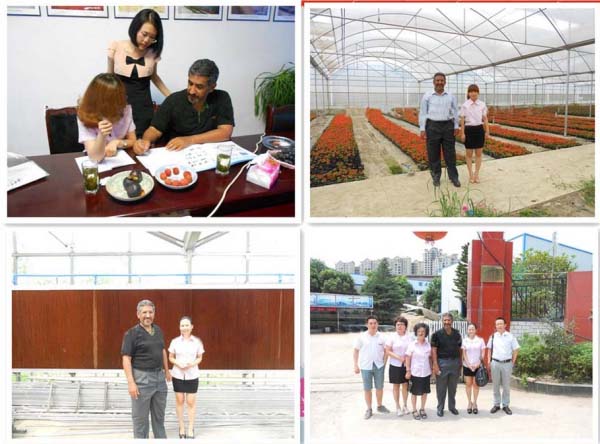
The house ships as metal structures, covering system and install accessories, and the systems that can be added - cooling and heating, irrigation, ventilation, fertilization, shading and benches - all fix to the frame, so they are best settled with it. We have built greenhouses in our own factory for above 35 years, our engineers can travel to site to guide the installation, and customers visit the factory every year. The wider commercial greenhouse range, the research glasshouse range for compartmented houses and our factory in Sichuan are set out separately.
Guidance on protected cultivation and its energy side is published by the USDA, and greenhouse practice and its running costs are reported by trade media such as Hortidaily. To have a research house specified against your trial programme, call +86 191 5068 3942 or write to sales@cngreenhouses.com with the compartments you need.
 Deutsch
 Español
 Français
 Italiano
 Português
 日本の
 한국어
 العربية
 български
 hrvatski
 česky
 Dansk
 Nederlands
 suomi
 Ελληνικά
 हिन्दी
 norsk
 Polski
 Română
 русский
 Svenska