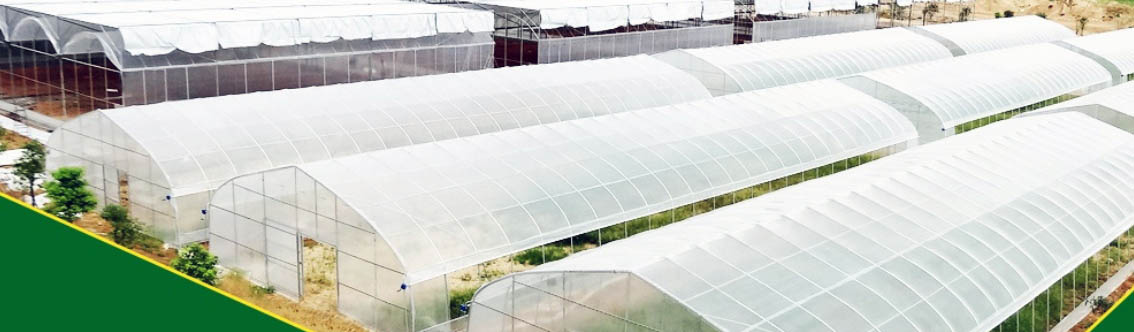


- Commercial Greenhouse
- Film Greenhouse
- PC Greenhouse
- Glass Greenhouse
- Tunnel Greenhouse
- Scientific Research Greenhouse
- Vegetable Greenhouse
- Flower Greenhouse
- Multi-span Greenhouse
- Sawtooth Greenhouse
- Greenhouse Equipments
- Greenhouse Accessories
- Hot Dip Galvanized Pipe
- Irrigation System
- Hydroponics System
- Planting Tools
- Planting technology
Tel: +86 191 5068 3942
Fax:
Mobile: +86 191 5068 3942
Contact: Alina
E-mail: sales@cngreenhouses.com
SKYPE:

News Show
Greenhouse Heat Preservation: Heat Loss Paths and Layers
Heat leaves a greenhouse in three places: through the roof, the side walls, and down into the ground under the floor. On a clear, still night the loss runs faster than on a cloudy one, because the cover radiates to the sky. Heat preservation is a system rather than a product.

Three Paths Heat Leaves a Greenhouse
The roof is the largest surface the house presents and the only one facing open sky. A thin cover loses heat through it twice over: the fabric passes heat outwards, and after dark it radiates to the sky, which is why the coldest hours come just before dawn. Wind strips the still layer from the cover, so a windy night and a still one are not the same night for the crop.
The side walls are exposed over their whole height, and they are where cold outside air collects and where every door, vent and torn fixing is an opening. Air exchange is the fastest path: warmed air leaves, cold air takes its place, and no covering compensates for a house standing open.
The floor is the quiet one. Heat moves downwards into ground colder than the house, and bare wet soil adds evaporation, since water turning to vapour carries heat away. Which path matters most depends on structure, covering, wind and how far the house is opened.
The Order the Measures Go In
The simple measures come first. Seal the openings before buying anything: straighten and re-clamp the film, close the gable ends and the skirt, make the vents and the door shut fully. A leak undoes the work of cover, quilt and mulch film together.
The cover comes next. Two layers of film with held air between them is one established way to raise the resistance of the outer skin, described in its own right in the film greenhouse range; here its place in the sequence matters, because it does not replace the dark-hours layer.
That layer is the quilt or internal screen, and its position in the day is fixed: down after the light has gone, up when the sun is on the house again. A quilt over an open vent is worse than no quilt, since the house is then both covered and connected to the outside.
Choosing the Quilt: Core Material and Performance
Quilts are classified first by their core. The cotton type insulates well and rolls up, but it is opaque and absorbs moisture, so it mildews. The cotton felt type is made by processing old textile material until it felts together, giving good insulation, a rollable quilt and the lowest price of the four, at the cost of a core that balls up, is light and moulds and rots easily.
The polyester type is built from polyethylene foamed and drawn into polyester staple fibre. It is very light, semi-transparent, does not take up water and does not rot. In continuous snow it lets some light into the house, softening the effect on the crop, but heat is easily lost through it and even a well waterproofed fabric leaks to some degree; it is not frost resistant and hardens in winter. The straw type is the simplest, straw tied together, and is on its way out: a very short service life, poor insulation, it soils the film and it rots.
A second classification is by performance. The waterproof type keeps rain out and suits districts where rain is regular; the air permeable type passes air and resists water fog, and is mainly used as the insulation layer where snow is light. Quality is uneven, since many producers of different scale and technology supply this market, a good quilt sitting beside one taken down after a single season. Because Chinese planting and agricultural machinery programmes include subsidies, quilt quality affects how they are carried out, and buyers and industry bodies press for standardised production conditions, inspection equipment and process.
The Floor and the Edges
Ground coverage is the measure most often left out, and it deals with the path nobody watches. Mulch film over the beds cuts evaporation, removing a continuous draw on the heat in the house, and leaves the soil surface warmer. Under young plants a floating cover or low tunnel adds one more still air layer where the plants sit closest to the cold.
The ground is also the heat store, and a store only works when it is loaded: soil, paths and anything with mass warm by day and release heat after dark, while bare wet ground gives less back. Cold air settles along the side walls and behind the skirt, so the base of the wall and the bottom of the cover are sealed rather than left as a running gap. The greenhouse fittings and accessories used here are ordinary parts, only as good as the seal they hold.
Night Discipline and Matching the House to the Climate
The layer goes down before the house loses the heat of the day, in practice late afternoon, and comes up as soon as the sun is on the cover. Humidity fights this routine: air sealed all night holds the moisture the crop transpires, so the exchange is made briefly in the warmest part of the morning instead of holding the vents open after dark.
A wet quilt does not insulate. Water in the core spoils the insulation and starts the mould that ends its working life, so it is rolled up dry and snow is cleared without hammering the fabric. Beyond that, the depth of the system follows climate and structure: how many layers, which core and whether an internal screen is added depend on the winter the site really gets, the crop temperature to be held, the frame and covering, and the budget. Clear, still, cold nights need the layer most; the covered crop notes in this section carry the routine further.
Our factory has built greenhouses for above 35 years. Send the house type, the covering, the lowest temperatures you expect and the crop to be held through winter, and we will advise on the covering, the quilt and the frame details those conditions call for; the soil and crop-sequence guide carries those conditions into the planting itself, and tunnel houses follow the same covering discipline with less frame. Call +86 191 5068 3942 or write to sales@cngreenhouses.com.
Two independent references help when a routine is written for a site: the FAO publishes protected cultivation material for growers in different climates, and Greenhouse Grower reports on how commercial houses are run.
Frequently Asked Questions
Q: Which of the three paths loses the most heat?
It depends on structure, covering, wind and how far the house is opened. On a clear, still night the roof dominates, because the cover radiates to the sky; where film is loose or a vent stands open, exchange with outside air does more damage, and that is the loss to correct first.
It depends on structure, covering, wind and how far the house is opened. On a clear, still night the roof dominates, because the cover radiates to the sky; where film is loose or a vent stands open, exchange with outside air does more damage, and that is the loss to correct first.
Q: When should the quilt or night screen be rolled down?
Late in the afternoon, before the house starts losing the heat it gathered during the day, and never while there is still useful light on the crop, because the layer is opaque.
Late in the afternoon, before the house starts losing the heat it gathered during the day, and never while there is still useful light on the crop, because the layer is opaque.
Q: Does a wet quilt still insulate?
No. Water in the core spoils the insulation and starts the mould that finishes the quilt, so a wet one is dried before storage and snow is cleared without beating the fabric.
No. Water in the core spoils the insulation and starts the mould that finishes the quilt, so a wet one is dried before storage and snow is cleared without beating the fabric.
Q: Is a second layer of film worth the trouble?
It is one established way of raising the resistance of the cover and has its own article, so the question here is only where it sits in the sequence: it improves the outer skin and does not replace the layer that handles the dark hours.
It is one established way of raising the resistance of the cover and has its own article, so the question here is only where it sits in the sequence: it improves the outer skin and does not replace the layer that handles the dark hours.
Q: What slows heat loss through the floor?
Cover the ground. Mulch film cuts evaporation and keeps the soil surface warmer, a floating cover or low tunnel puts a still air layer over young plants, and ground left bare and wet loses heat downwards and gives less back at night.
Cover the ground. Mulch film cuts evaporation and keeps the soil surface warmer, a floating cover or low tunnel puts a still air layer over young plants, and ground left bare and wet loses heat downwards and gives less back at night.
Q: How do I choose between the quilt types?
By the weather the house stands in. The waterproof type suits districts with regular rain and the air permeable type is used mainly where snow is light; the core decides the rest, since cotton and cotton felt insulate well but take up moisture, polyester stays light and does not rot but loses heat more easily and hardens in winter, and straw has a very short life.
By the weather the house stands in. The waterproof type suits districts with regular rain and the air permeable type is used mainly where snow is light; the core decides the rest, since cotton and cotton felt insulate well but take up moisture, polyester stays light and does not rot but loses heat more easily and hardens in winter, and straw has a very short life.
 Deutsch
 Español
 Français
 Italiano
 Português
 日本の
日本の
 한국어
한국어
 العربية
 български
 hrvatski
 česky
česky
 Dansk
Dansk
 Nederlands
 suomi
suomi
 Ελληνικά
 हिन्दी
 norsk
norsk
 Polski
 Română
 русский
 Svenska